Broken Fingers+ · 品牌誌
Ethical Handbags That Carry More Than Essentials
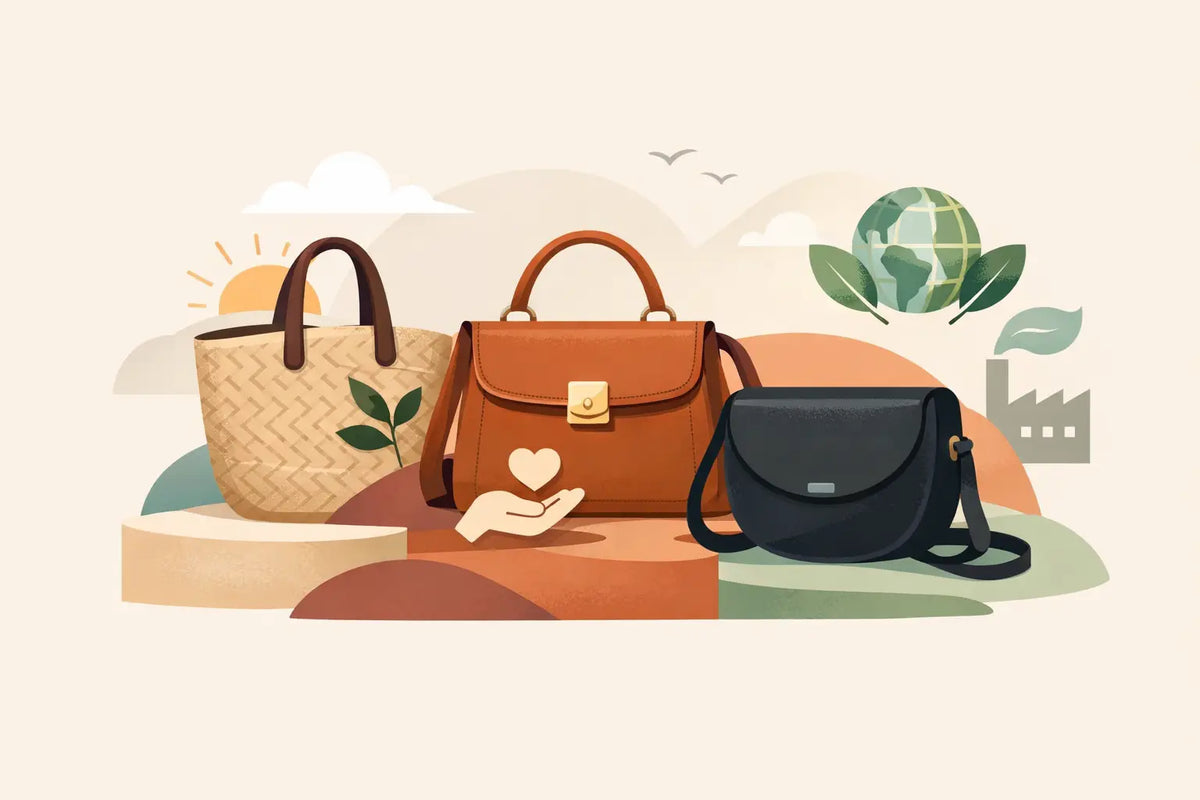
A handbag is often the item we reach for without thinking: on the way to work, before dinner with friends, or while packing for a weekend away. But ethical handbags invite a different kind of pause. Who made this piece? What material will it carry through daily life? And does its price reflect care for both people and the planet?
Those questions do not require perfection. They ask us to choose with more intention, and to see a bag not only as an accessory, but as the result of hands, learned skills, and decisions made long before it reaches our shoulder.
What Makes a Handbag Ethical?
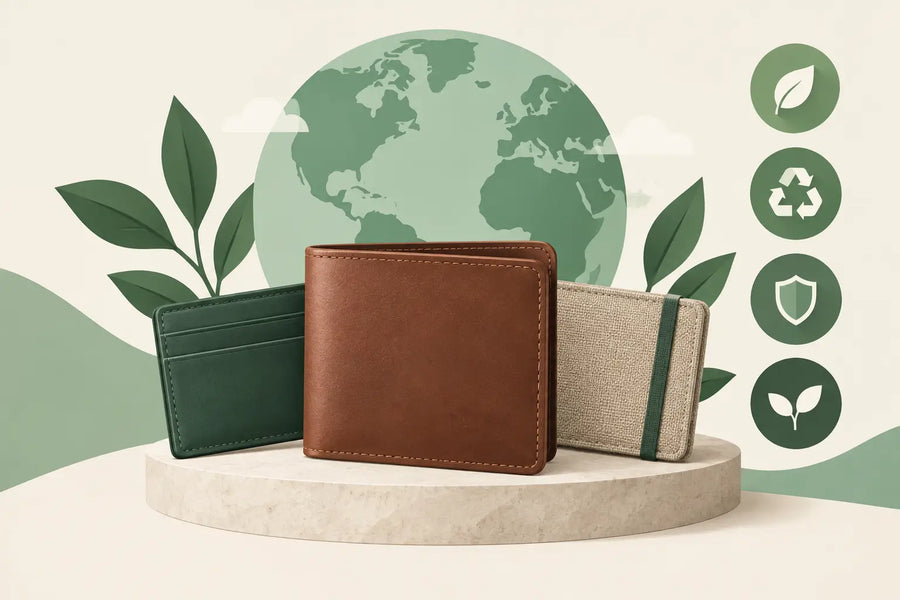
“Ethical” is not a single material, a trendy label, or a recycled-paper hangtag. A genuinely responsible handbag considers its impact across the making process: the people involved, the materials selected, the quality of construction, and the life the product is designed to have.
The human side matters first. Fair work means makers are treated with respect, paid appropriately, and given the time and support to do skilled work well. In social enterprises, production can also become a path to meaningful employment, confidence, and recognition for people too often excluded from conventional workplaces. That impact is not separate from the product. It is part of what gives the product its value.
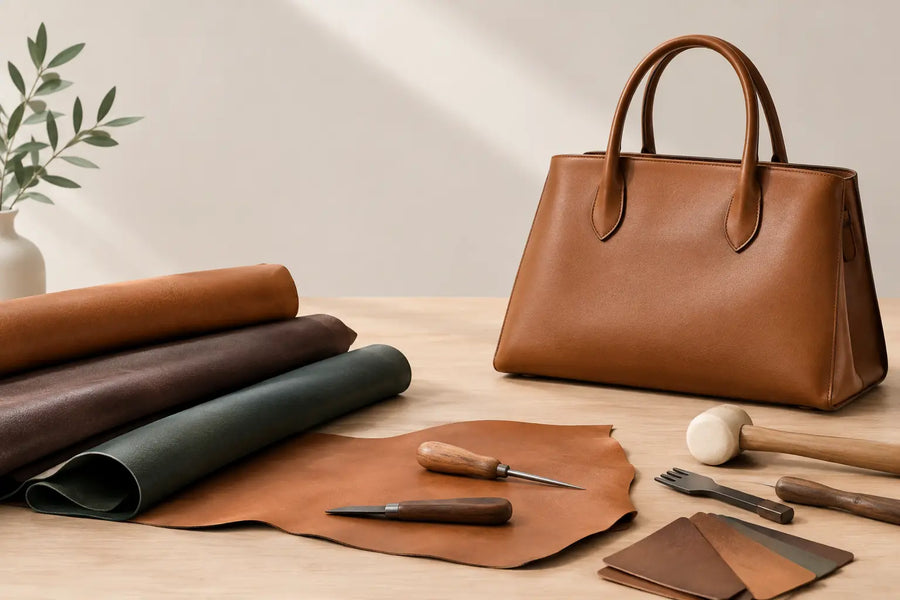
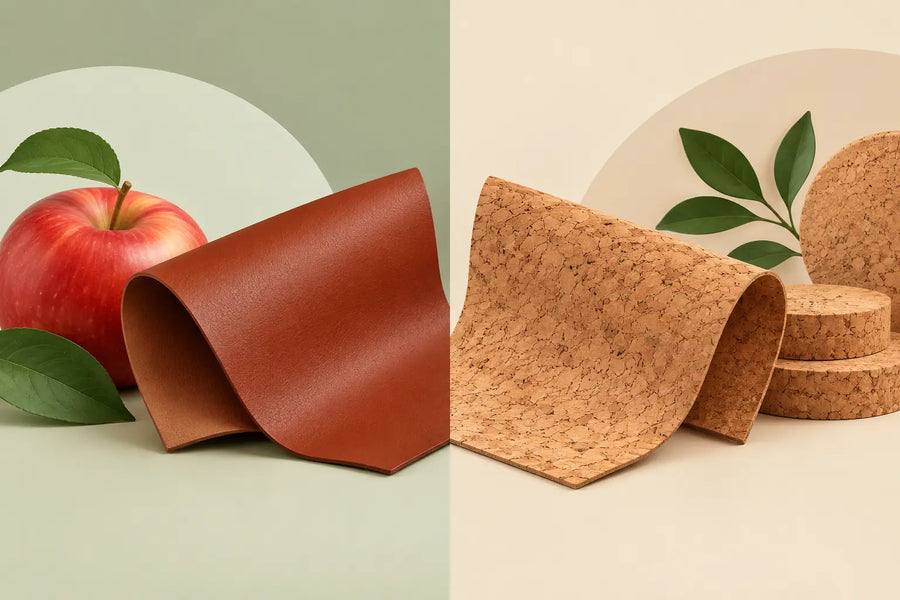
Materials matter too, but they require nuance. Genuine leather can be long-lasting, repairable, and beautiful as it ages. Plant-based alternatives, including apple leather, may offer an option for people who prefer to avoid animal-derived materials. Neither choice automatically makes a bag ethical. The better question is whether the brand is clear about its sourcing, uses materials thoughtfully, and makes products that are built to stay in use.
Then there is durability. A bag that looks beautiful for one season but fails at the strap, lining, or zipper creates more waste than a simple design made to be carried for years. Ethical choices often begin with the unglamorous details: reinforced stress points, careful stitching, considered hardware, and shapes that work beyond a passing trend.
Why Ethical Handbags Are Worth Choosing
Choosing an ethical handbag is not about buying less beauty in exchange for doing good. It is about expecting beauty to include care. The right bag should still feel right in your hands, suit your wardrobe, hold what you need, and make an ordinary outfit feel more like your own.
What changes is the relationship you have with it. When you know that a wallet, crossbody, or tote was shaped through patient handwork, it becomes harder to see it as disposable. Small marks from daily use can become part of its history rather than a reason to replace it. A well-made accessory earns its place slowly.
This also makes ethical handbags especially meaningful as gifts. A useful gift is appreciated. A useful gift that carries a story of skill, opportunity, and dignity can stay with someone long after the occasion has passed. It says, quietly, that you chose with the recipient and the maker in mind.
There is a practical trade-off, of course. Responsible materials, small-batch production, and fair labor rarely compete with the lowest prices in the market. An ethical bag may cost more upfront. Yet cost per use tells a fuller story. A piece carried several times each week for years can offer better value than repeated purchases of bags that wear out quickly or no longer feel worth repairing.
How to Choose Ethical Handbags You Will Actually Use
Start with your real routine, not an imagined version of it. If you commute with a laptop and water bottle, a compact shoulder bag may be beautiful but frustrating. If you mostly travel light, an oversized tote can become an unused purchase. The most responsible bag is one that becomes part of your life.
Think about what you carry, how you move, and what needs easy access. A structured work bag offers shape and presence, while a crossbody keeps hands free on busy days. A card holder or small wallet may be the better choice for someone simplifying their everyday carry. These are not lesser purchases. A small, well-used item can be deeply considered.
When comparing options, look for four signs of meaningful care:
- Clear information about who makes the products and how their work is supported.
- Materials explained honestly, without vague claims that make every option sound impact-free.
- Construction details that suggest longevity, such as hand stitching, reliable closures, and sturdy hardware.
- A design you can picture using repeatedly, across workdays, weekends, and changing seasons.
Leather, Apple Leather, and the Question of Preference
For some people, genuine leather is the choice because of its strength, natural texture, and ability to develop character over time. Good leather care can extend a bag’s life significantly. Keep it away from heavy rain, avoid prolonged direct sunlight, and condition it occasionally with a product suited to its finish. If it is scratched, do not assume it is ruined. Many marks soften with gentle care.
For others, apple leather is a better fit. It offers a lower-animal-material alternative and a smooth, modern finish that works well for daily accessories. Like any coated or plant-based material, it benefits from gentle handling. Wipe it with a soft dry or lightly damp cloth, avoid abrasive cleaners, and store it away from heat and humidity.
The choice is personal. What matters is resisting the idea that one material must satisfy every value for every person. If durability is your priority, consider how the product is constructed and how you will maintain it. If avoiding animal-derived materials is essential to you, ask how the alternative material is made and how it is expected to wear. In both cases, choosing a design you love enough to keep carrying is part of the answer.
The Story Behind the Stitching
Handcraft is sometimes treated as a luxury detail, but it can mean something more grounded. A maker learns to measure, cut, assemble, stitch, and inspect. Each stage calls for focus. When those skills are taught in an inclusive work setting, the result is not charity disguised as commerce. It is real work, real contribution, and a product made with earned capability.
That distinction matters. People with autism, Down syndrome, physical disabilities, or lived experience of mental health recovery do not need to be reduced to an inspiring story attached to a purchase. They deserve opportunities to develop skills, be fairly recognized, and create work that others choose because it is well made.
This is the belief behind Broken Fingers+: every stitched piece can hold both function and possibility. The bag is not valuable because someone overcame a label. It is valuable because careful hands made something useful, distinctive, and worthy of being carried into the world.
Let a Bag Stay With You
A more thoughtful wardrobe is not built in one purchase. It grows through choices that feel considered enough to last. Choose a handbag for its shape, usefulness, material, and craftsmanship. Ask the questions that reveal whether care exists behind the product. Then use it fully, maintain it gently, and let it gather the small signs of a life well lived.
The most meaningful accessory may not be the one that asks to be noticed first. It may be the one that reminds you, every time you pick it up, that care can travel with you.