Broken Fingers+ · 品牌誌
挑選有理念禮物方法 for More Meaningful Giving

A beautiful gift can create a warm moment. A meaningful one can keep speaking long after the wrapping paper is gone. The idea behind 挑選有理念禮物方法 is not to find the most sentimental object in the room. It is to choose something the recipient will genuinely use, enjoy, and feel good carrying into daily life - while knowing their gift also reflects care for people, materials, and the future.
That balance matters. A gift with a social mission should never ask someone to compromise on design or function. The best choices are well made enough to become part of a routine: a wallet reached for every morning, a card holder brought to a meeting, or a bag that gathers the small traces of an ordinary, well-lived day.
Start with the life your recipient actually lives
Before looking at colors, materials, or causes, picture the recipient’s daily rhythm. Are they the kind of person who travels light with a few cards and a phone? Do they commute, carry a notebook, or need a dependable place for coins and keys? Are they preparing for a new job, a move, or a long-awaited trip?
A purposeful gift feels personal because it answers a real need. A slim card holder may be right for a minimalist. A passport holder has special meaning for someone about to begin a new chapter abroad. A roomy leather bag can honor a promotion or graduation without becoming something that sits untouched in a closet.
This is where good intentions become practical care. Rather than asking, “What looks meaningful?” ask, “What would make their day easier or more beautiful?” The answer often leads to a gift with a longer life, which is also a more responsible choice.
Look beyond the cause to the way value is created
Many products are described as ethical, sustainable, or socially conscious. Those words can be meaningful, but they should invite a closer look. What does the brand actually do? Who makes the product? Is the social impact woven into regular work and skill-building, or is it only attached to a campaign?
A thoughtful brand can explain its work plainly. It does not need to turn people’s lives into a marketing spectacle. Instead, it should show how craft, training, fair opportunities, and real production come together. When makers are trusted with meaningful work and their abilities are recognized through the finished piece, the gift carries a different kind of story: one rooted in dignity, not pity.
This distinction is especially valuable when choosing a gift for someone who cares about social issues. They may not want a product that makes a grand statement. They may want an object with quiet integrity - something refined enough for everyday use, made through a process that gives people a chance to be seen for their skills.
At Broken Fingers+, hand-sewn leather goods are created through collaboration with sheltered workshops, where people with different abilities take part in learning and making. The result is not simply a purchase tied to a good cause. It is a piece shaped by practice, patience, and the belief that ability deserves room to grow.
A practical 挑選有理念禮物方法: check three kinds of quality
A gift with values should be judged with the same care as any other well-designed product. Consider its emotional quality, functional quality, and material quality together.
Emotional quality comes from the story behind it. Does the mission match what the recipient believes in? A friend who advocates for inclusion may be touched by a piece that supports skills development and employment. Someone who is rethinking their environmental habits may appreciate a material choice that reduces reliance on conventional animal leather.
Functional quality is simpler: will it work well? Look at the number of card slots, the closure, the strap length, the size of the bag, and how easily it fits into a real routine. A beautiful wallet that cannot hold the cards someone uses is not a thoughtful gift, no matter how admirable its mission.
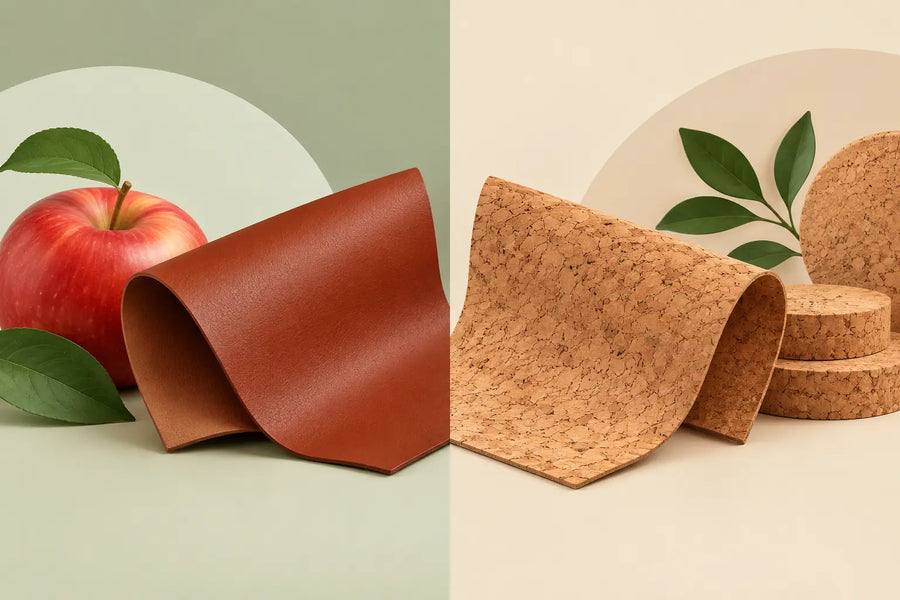
Material quality asks you to consider feel, durability, and care. Genuine leather develops a patina over time, becoming more personal with use. Apple leather offers an alternative for recipients who prefer a lower-animal-material option and a modern finish. Neither is automatically the better choice. It depends on the person, their lifestyle, and what they want their belongings to represent.
Choose a material with honesty, not perfection
Purposeful giving does not require perfection. Every material has trade-offs, including its source, finish, longevity, and end-of-life considerations. What matters is choosing with awareness rather than treating a label as a shortcut.
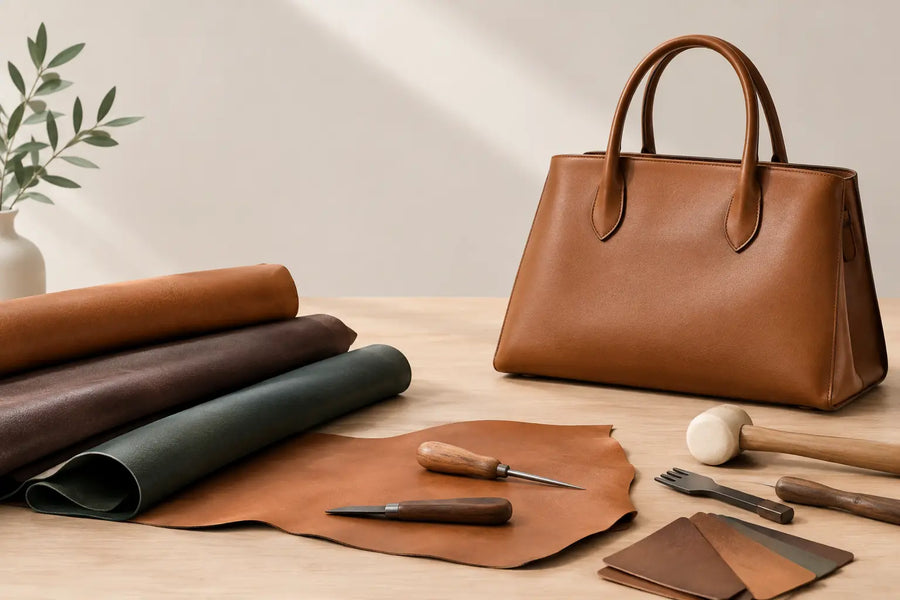
Genuine leather can be a lasting option when it is made carefully and used for years. It has a tactile depth that changes with time, and small marks can become part of its character. For someone who values heritage, repairability, and a classic look, it can be a fitting choice.
Apple leather is often appealing to people seeking a lighter environmental footprint or an animal-free alternative. Its clean surface and contemporary look suit everyday accessories such as card holders, wallets, and small pouches. Still, it deserves care just like other materials. A considerate gift includes a reminder that keeping an item in use is one of the most meaningful things we can do.
The question is not, “Which material makes me a perfect consumer?” It is, “Which material will this person value enough to keep using?” A well-loved item is less likely to become clutter, and more likely to collect meaning.
Match the gift to the moment without making it generic
Occasions can help narrow a choice, but they should not dictate it completely. For a birthday, choose something that feels like an extension of the person’s style. For a graduation or career milestone, consider an accessory that can accompany new responsibilities: a structured wallet, a work-ready bag, or a polished card holder.
For weddings, anniversaries, and housewarmings, practical gifts can still feel intimate when they are selected with attention. A compact coin purse for someone who loves local markets, or a passport holder for a couple planning their next journey, says more than a decorative item chosen in haste.
If the gift is for a colleague or client, restraint is often the strongest approach. Choose a useful, neutral piece with excellent workmanship. The social mission can be shared in a small note, not as a demand for praise, but as an invitation to appreciate the hands and values behind the object.
Add the story, but leave room for the recipient
A meaningful gift does not need a long explanation. In fact, too much explanation can make the recipient feel as if they are being asked to respond in a certain way. A few sincere words are enough: why you chose the piece, what you hope it accompanies, or why the work behind it matters to you.
You might write, “I chose this because I know you value things made with care. I hope it goes everywhere with you.” Or, “This was made through a program that recognizes craft and capability. I thought you would appreciate that story as much as the design.”
The aim is not to make the giver look thoughtful. It is to give the recipient an object they can make their own. The story is there when they want to share it, and the craftsmanship remains present every time they touch it.
Let usefulness be part of the kindness
There is a quiet kindness in giving less, but giving better. Instead of filling a gift box with items that may be used once, choose one piece with a clear purpose. A well-crafted leather accessory can travel through years of errands, workdays, celebrations, and changes in direction.
That longevity also makes the gift more human. Hand stitching may carry slight variations. Leather may soften and deepen in color. These are not flaws to hide. They are reminders that objects can hold evidence of making, using, and caring.
When you choose a gift with principles, you are not only marking an occasion. You are helping make room for work with dignity, materials chosen with intention, and everyday objects that encourage us to keep moving forward. The right gift does not need to be loud to be felt. It simply needs to be useful, honest, and made with care.