Broken Fingers+ · 品牌誌
Why Social Enterprise Products Feel Different

A wallet is often chosen in seconds: the color, the texture, the way it fits in a hand. But social enterprise products ask for a little more attention. Not because they demand praise, but because their value reaches beyond the object itself. A carefully made card holder can carry your daily essentials while also supporting meaningful work, practical skills, and the right for more people to be recognized for what they can do.
That difference is not abstract. It is found in the steady hands that cut, stitch, check, and finish each piece. It is found in a workplace designed to build confidence rather than reduce someone to a label. And it is found in the choice to make products worth using long after the story has first moved you.
What social enterprise products should offer
A social enterprise product is not simply an item sold alongside a good cause. At its best, it is part of a business model where revenue helps create sustained social value. The product needs to stand on its own: useful, thoughtfully designed, well made, and fairly priced. The social mission gives the purchase greater meaning, but it should never be used to excuse poor quality.
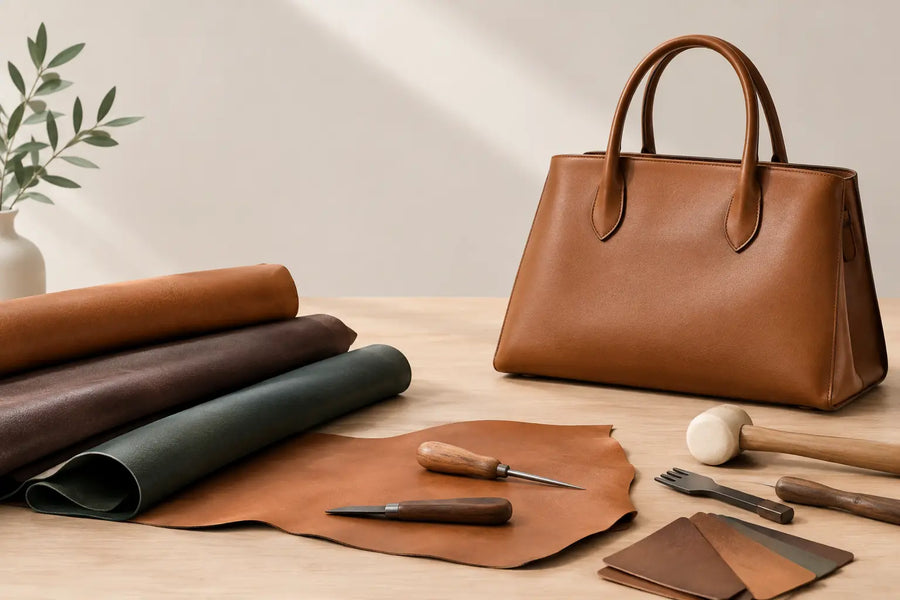
For leather accessories, that standard is especially clear. A bag should carry what you need without feeling awkward on the shoulder. A wallet should open easily, hold up to daily use, and age with character. A passport holder should make travel simpler. When design and workmanship are treated seriously, the person who made the item is respected too. Their contribution is not symbolic. It is visible in a finished piece that earns its place in someone’s life.
This is why the strongest mission-led brands do not frame makers as objects of charity. They provide training, production experience, and a real role in creating goods customers choose for their own quality and style. For autistic people, people with Down syndrome, people with physical disabilities, and people in mental health recovery, work can be a space to practice skills, build routines, receive recognition, and be part of a shared outcome.
The story matters, but the craft comes first
There is a natural emotional pull in buying something that supports employment and empowerment. Still, a good purchase should not rely on emotion alone. The story should help you understand the work behind an item, not pressure you into accepting less than you need.
Look closely at the details that shape everyday use. Are the edges neatly finished? Do the stitches follow a clean, consistent line? Does the layout of a card case make sense for the number of cards you actually carry? Does the zipper move smoothly? These questions are not separate from social impact. They are part of it. Training through craftsmanship means learning how care, repetition, and precision become a standard others can feel.
Handmade goods also have a different rhythm from factory-made items. Tiny variations may appear between pieces, especially in leather grain, color depth, or hand finishing. That is not automatically a flaw. Often, it is evidence that material and maker were allowed to remain human. The key is knowing the difference between honest variation and weak construction. A well-made handmade piece should still feel secure, functional, and intentionally finished.
Choosing leather with your values and habits in mind
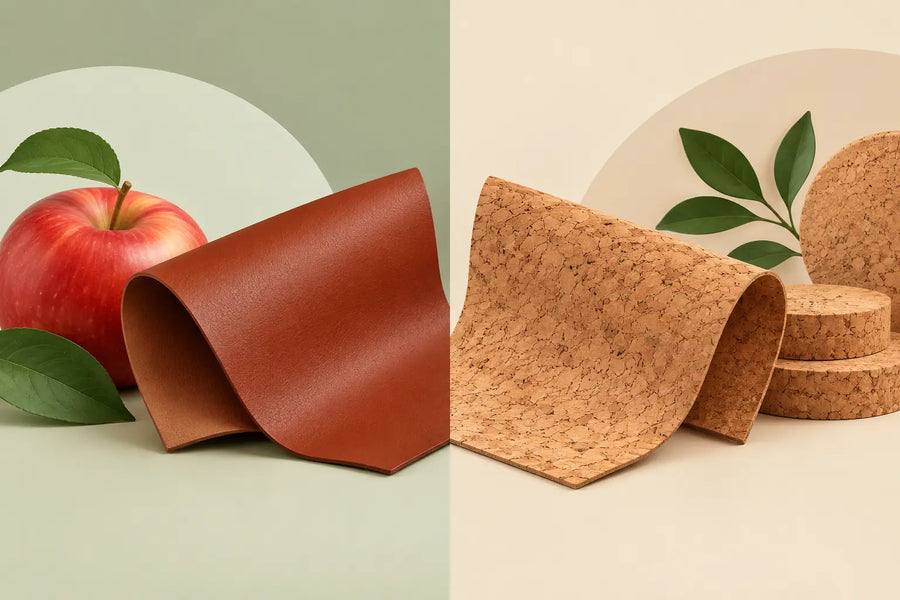
Material is one of the most practical decisions you can make. It affects how an accessory feels, how it changes over time, and the kind of care it needs. There is no single right choice between genuine leather and plant-based alternatives. Your routine and priorities matter.
Genuine leather is valued for its durability, rich feel, and developing patina. With regular care, a leather wallet or bag can become more personal over the years, showing subtle changes that reflect its use. It can be an especially good fit if you want a long-term everyday companion and appreciate natural texture. Because leather is an organic material, it should be kept away from heavy moisture and extreme heat, then cleaned gently with the right products.
Apple leather offers another path for people who want a more environmentally minded material choice. It incorporates apple waste from food production into a leather-like material, creating a modern finish suitable for daily accessories. Its appearance is often more uniform than natural leather, and it appeals to those looking for an animal-free option with a cleaner, contemporary look.
Neither material is a shortcut to a better purchase. Genuine leather may offer a longer natural aging process, while apple leather can better match specific sustainability or animal-welfare preferences. Before choosing, think about where the piece will go, how often it will be handled, and what kind of aging you enjoy seeing. A material that suits your actual life is less likely to sit unused in a drawer.
A meaningful gift still needs to feel personal
Social enterprise products are often chosen as gifts because they make it possible to offer both beauty and intention. Yet the most memorable gift is not the one with the biggest message. It is the one that feels considered for the recipient.
For a colleague, a slim card holder or key pouch can be understated and useful. For someone beginning a new job, a wallet or work bag can mark a fresh chapter without being overly formal. A passport holder is fitting for a friend planning a move, a long-awaited trip, or a season of change. If you know their preferences, choose a color they will reach for often rather than selecting something simply because it appears more dramatic.
The story behind the gift can be shared gently. A simple note saying that the piece was made through skills training and supported employment is often enough. It leaves room for the recipient to connect with the object in their own way. Meaning does not need to be announced loudly to be felt.
How a purchase becomes support without becoming pity
There is a difference between buying out of pity and buying with solidarity. Pity sees a person primarily through perceived limitations. Solidarity sees ability, effort, and the need for fair opportunities. It asks businesses to make room for different ways of learning and working, while asking customers to recognize quality when they see it.
That distinction protects everyone involved. Makers deserve to be credited for their work, not treated as decoration for a marketing campaign. Customers deserve honest information about materials, production, and pricing. A social enterprise deserves to be measured by both its mission and its discipline as a business.
Broken Fingers+ is built around this belief: leathercraft can become a practical bridge between ability and opportunity. Through collaboration with sheltered workshops, the making process becomes a place for people to learn, contribute, and see their work carried into the wider world. The finished bag, coin purse, or card case is not a token of goodwill. It is an everyday object shaped by patience and skill.
Care helps the impact last
Buying with intention is only the beginning. The longer an accessory stays useful, the more fully it honors the resources, labor, and attention that went into it. Make care part of the relationship with the piece.
Keep leather goods dry and store them away from direct sunlight when possible. If a bag loses its shape, fill it lightly with clean paper rather than pressing it flat. Wipe surface dust with a soft dry cloth, and test any leather-care product on a hidden area first. For apple leather, follow the specific care guidance provided for the material and avoid harsh cleaners or prolonged soaking.
Small habits matter. Do not overload a card case until seams are under constant strain. Let a wet item dry naturally instead of using a heater. Rotate pieces when you can. A product made for daily life should be used, but it should not have to fight unnecessary damage.
The next time you choose a wallet, bag, or small leather gift, pause at the details: how it feels, how it functions, who had the chance to make it, and whether you can imagine carrying it for years. A good object supports your day. A meaningful one can also remind you that careful work deserves to be seen, chosen, and valued.