Broken Fingers+ · 品牌誌
手工皮件永續價值分析 Why Handmade Pieces Matter More

A wallet is handled dozens of times a day. A card holder is pulled from a pocket at the register. A bag carries a laptop, a spare charger, a book, and the small evidence of a full life. When these objects fail after a season, the cost is not only financial. It is also the waste of material, labor, and attention that went into making something meant to be used.
That is where 手工皮件永續價值分析 becomes more meaningful than a simple question of whether a product is labeled leather, vegan, recycled, or eco-friendly. Sustainable value is found in the entire lifespan of a piece: how thoughtfully it is designed, who has the chance to make it, whether it can be cared for or repaired, and whether it remains worth carrying long after the first excitement of buying it.
手工皮件永續價值分析 Starts With a Longer Useful Life
The most sustainable accessory is not automatically the one made from a particular material. It is often the one that stays useful and loved for years. A carefully made wallet with sturdy stitching, considered edge finishing, and a shape that suits daily habits can replace a string of short-lived purchases.
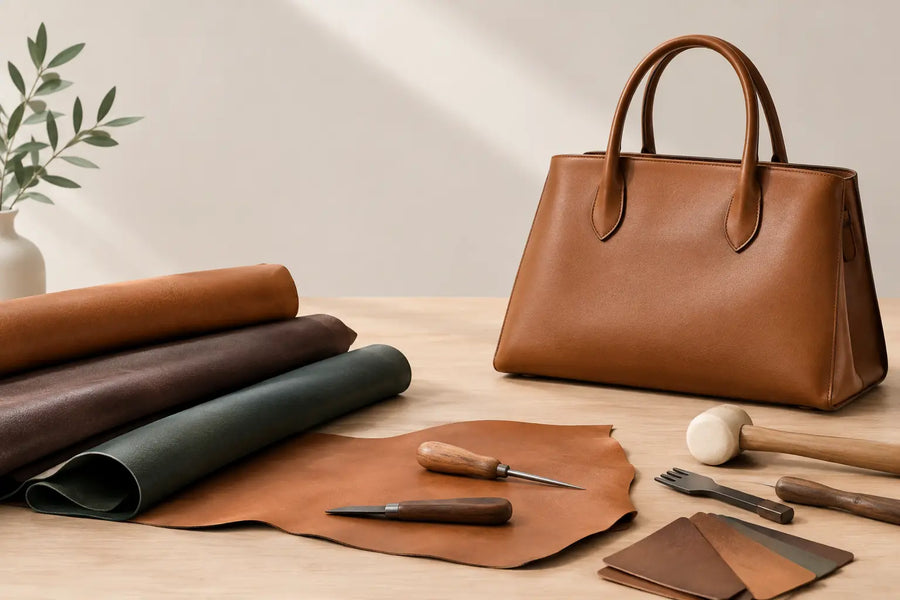
Handmade leather goods have an advantage here because the maker can pay attention to the parts that factory speed tends to overlook. Stitching tension, fold lines, the placement of card slots, and reinforcement at stress points all affect how a piece ages. These details may not shout from a product photo, but they are felt every day when a zipper opens smoothly or a bag keeps its form.
Longevity does not mean a piece must remain pristine. Genuine leather develops marks, softness, and patina through use. For many people, that changing surface is part of its beauty. It records commutes, dinners, trips, and ordinary mornings without demanding replacement simply because it no longer looks new.
Still, durability depends on the design. A delicate leather piece may be perfect for occasional events but less suited to carrying heavy equipment every day. Sustainability asks for an honest match between the item and the life it will serve. Choosing the right format matters as much as choosing the right material.
Material Matters, But It Is Not the Whole Story
Leather is a complex material with real trade-offs. It can be strong, repairable, and long-lasting, but its environmental and ethical footprint varies according to sourcing, tanning, finishing, and how long the finished item is used. Treating all leather as equally responsible, or equally harmful, misses that complexity.
A well-made genuine leather bag used for many years may have a different practical impact from a low-cost item that is discarded quickly. Yet longevity should not be used as an excuse to buy more than needed. The better question is simple: Will this piece be used often enough, cared for well enough, and valued long enough to justify its making?
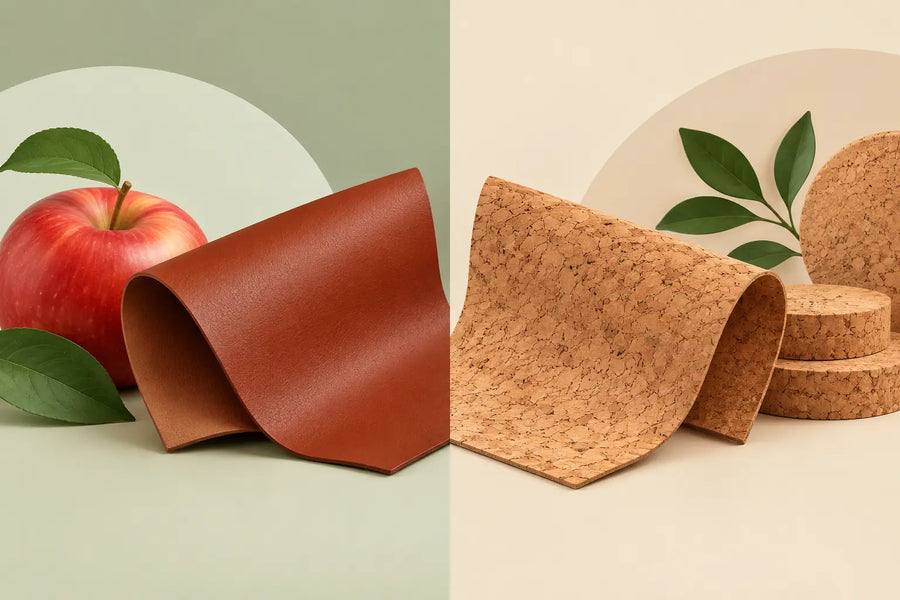
Apple leather and other plant-based alternatives offer another path for people who prefer not to purchase animal-derived materials. They can bring a lighter visual feel and create new uses for agricultural byproducts. Their performance, however, varies by formulation and finish. Some materials include synthetic binders for strength and flexibility, and not every plant-based leather alternative is biodegradable or equally easy to repair.
This is not a reason to dismiss either material. It is a reason to ask clearer questions. What is the piece made for? How will it wear? Can it be maintained? Is the maker transparent about what the material can and cannot do? Responsible consumption grows from specific information, not perfect-sounding labels.
A Better Standard: Use, Care, and Repair
A useful sustainability test has three parts. First, consider use: does the design solve a real daily need? Second, consider care: can it be cleaned, conditioned, stored, and handled without specialized effort? Third, consider repair: if a seam loosens or hardware wears out, is the item constructed in a way that gives it a second chance?
Hand stitching can be especially valuable because individual stitches can often be repaired without replacing an entire panel. That does not mean every hand-sewn product will last forever, nor that machine stitching is inherently inferior. It means construction choices affect whether a small problem becomes the end of a product or a manageable moment of maintenance.
The Human Value Inside Handmade Work
Sustainability is often reduced to carbon, packaging, and materials. Those measurements matter, but an object also carries a human story. If a product is made through work that builds skill, confidence, income, and recognition, its value reaches beyond the item itself.
For makers with autism, Down syndrome, physical disabilities, or mental health recovery experiences, craft training can create a concrete space to practice ability. Cutting leather accurately, preparing edges, sewing a straight line, and completing a finished piece are not symbolic acts. They are learned skills with visible outcomes.
This is why sheltered workshop partnerships deserve to be understood as more than a charitable addition to a product. When training is connected to real production and paid work, people are not positioned merely as recipients of help. They become contributors whose care is present in a piece someone chooses to carry.
Broken Fingers+ is built around this belief: handcraft can be a place where people are seen for what they can make, learn, and offer. The goal is not pity. It is the quiet, durable dignity of work that has purpose and standards.
Craftsmanship Is Not the Same as Perfection
A handmade item may show small variations. A stitch may carry the subtle character of a human hand; the grain of leather may differ from one panel to another. These are not necessarily defects. They are signs that natural material and real labor do not repeat themselves with factory sameness.
That said, social impact should never lower expectations for quality. A responsible brand must provide clear quality control, thoughtful training, fair production timelines, and designs that people genuinely want to use. Buying with values should not require accepting an impractical product. The strongest model respects both the maker and the customer by taking the finished object seriously.
Choosing a Piece You Will Keep
A more intentional purchase begins before checkout. Think about what regularly gets in your way. If you only carry a few cards and commute lightly, a slim card holder may prevent the bulk of an oversized wallet. If travel is frequent, a passport case with room for documents can become a reliable companion. If you carry a bag daily, consider weight, closure type, internal organization, and whether the silhouette fits your wardrobe rather than chasing a brief trend.
Color deserves the same attention. A bold shade can be joyful and expressive, while a neutral tone may be easier to use across years and changing routines. Neither choice is more virtuous. The sustainable choice is the one you will reach for repeatedly.
Care also extends a piece's life. Store leather goods away from direct heat and prolonged moisture. Avoid overfilling card slots and bags, since strain can stretch material and stress seams. For genuine leather, use appropriate care products sparingly and test them on an inconspicuous area first. For apple leather, follow the maker's care guidance rather than assuming it behaves exactly like animal leather.
A meaningful gift can follow the same principle. Instead of choosing an accessory solely for its appearance, consider the recipient's daily rituals. The best gifts become part of someone's routine: the coin purse used on coffee runs, the card case brought to meetings, the bag that joins every weekend outing. When an item has both function and a story of skilled hands behind it, it can hold a kind of warmth that does not fade with the wrapping paper.
Value Is Measured in What Continues
The real promise of handmade leather goods is not that any purchase can erase environmental harm or solve inequality on its own. It is more grounded than that. A thoughtfully made piece can slow down the cycle of buying, discarding, and replacing. It can support work that recognizes capability. It can make everyday use feel more considered.
Choose the piece that fits your life, care for it as it changes, and let its signs of use become proof that it was worth making.