Broken Fingers+ · Journal
Ethical Gifting Trends That Mean Something

A gift can be beautiful, useful, and still leave an uncomfortable question behind: who made it, under what conditions, and what happens after the wrapping comes off? Ethical gifting trends are changing that question from an afterthought into part of the joy of choosing.
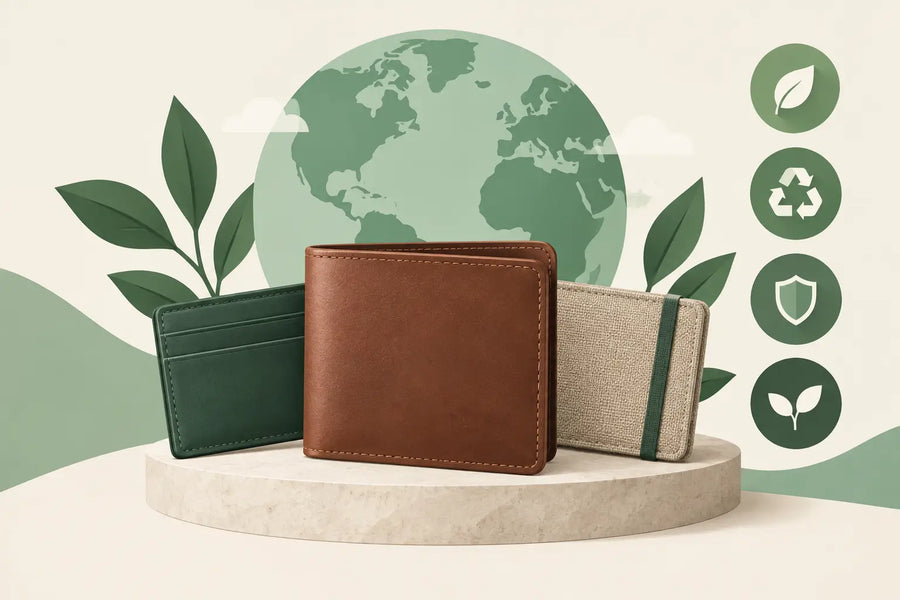
For people who care about design and the meaning carried by everyday objects, the strongest gifts are no longer the loudest or most excessive. They are the ones that fit naturally into a recipient’s life, hold up to use, and reflect a thoughtful choice. A cardholder used every morning, a wallet that softens with time, or a passport holder brought along on new journeys can become a quiet reminder that someone saw them clearly.
Ethical Gifting Trends Are Becoming More Personal
Ethical gifting is often misunderstood as a category defined by labels alone: sustainable, handmade, fair, recycled. Those details matter, but they are only the beginning. The deeper shift is toward traceability and connection. People want to understand the hands, decisions, and values behind what they give.
That is why a meaningful gift has moved beyond generic “eco-friendly” language. Shoppers are asking more precise questions. Is the item made to last? Does the maker receive real training or employment? Is the material chosen with intention? Can the recipient use it often enough for it to become part of daily life?
This does not mean every gift needs to carry a heavy message. A good ethical gift should still feel like a gift, not a lesson. It can be refined, practical, and easy to love first. Its story simply gives the object another layer of value for anyone who wants to look closer.
Craftsmanship Is Part of the Ethics
The return to hand-finished work is one of the clearest ethical gifting trends. It is not nostalgia for imperfect objects. It is a recognition that craft takes time, attention, and learned skill - all things worth respecting.
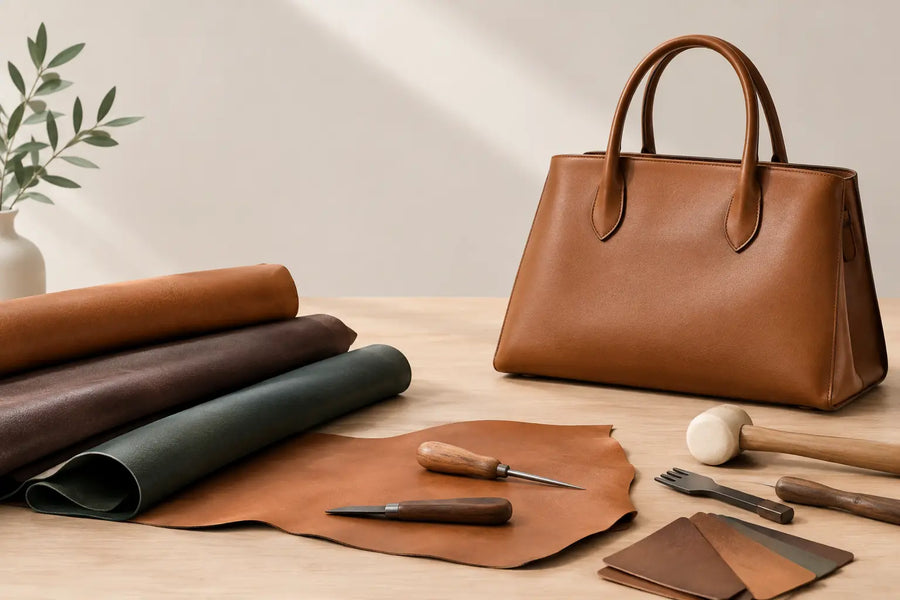
A carefully stitched leather accessory has a different kind of presence from something made for a brief season. The edges, folds, hardware, and texture are not only aesthetic details. They show the choices that make an item more comfortable to carry and more likely to remain useful over time.
Durability is also a practical form of responsibility. The most sustainable option is not automatically the one with the boldest environmental claim. It is often the product that is genuinely wanted, used repeatedly, and cared for rather than replaced. This is especially relevant for gifts: choosing a design that suits the recipient’s habits is more thoughtful than choosing something impressive but impractical.
For a commuter, a slim cardholder may be the right gesture. For someone building a new career, a well-made wallet can mark a fresh chapter. For a friend preparing for travel, a passport holder may carry both function and encouragement. Ethical choice begins with paying attention.
The story should honor people, not use them
As consumers seek more transparency, brands have a responsibility to tell maker stories with care. Social impact should never turn people into a marketing device or reduce their identity to a diagnosis, challenge, or hardship.
The most respectful approach centers ability, contribution, and craft. When a product is made in partnership with sheltered workshops or through inclusive employment, the meaningful fact is not pity. It is that skilled work is being recognized, practiced, and fairly connected to real customers.
Broken Fingers+ approaches this through leathercraft training and production partnerships that create opportunities for autistic people, people with Down syndrome, people with physical disabilities, and people in mental health recovery. The finished piece is not valuable because someone needs charity. It is valuable because it is made with care, skill, and a belief that every person deserves room to build confidence through meaningful work.
Materials Matter, but So Does Honesty
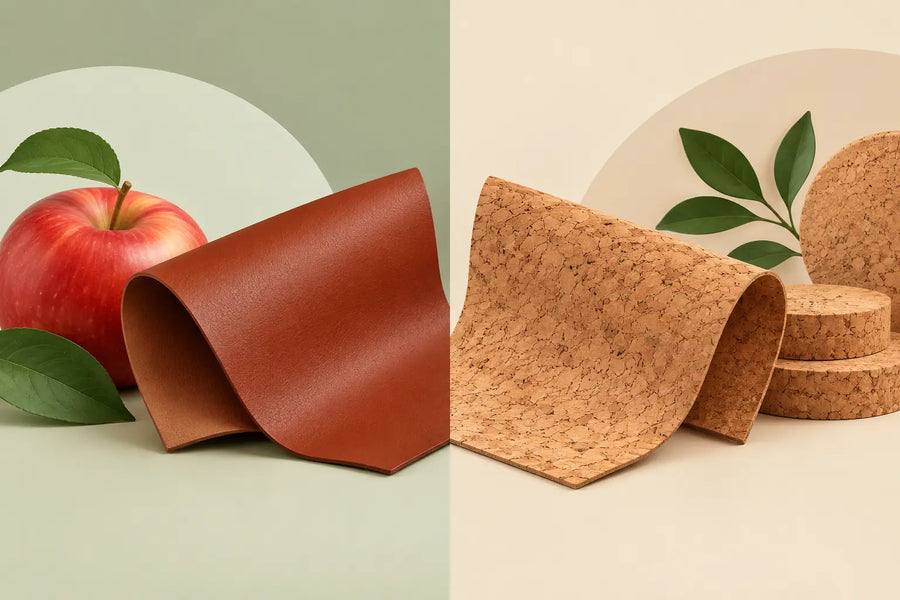
Plant-based and alternative materials have become more visible in gifting, including apple leather and other innovations designed to reduce reliance on conventional inputs. This is a welcome development, especially for recipients who prefer animal-free options. Yet material choices are rarely simple enough to be sorted into “good” and “bad.”
Different materials offer different strengths. Genuine leather can develop character over years of use and may be repairable, depending on construction. Apple leather offers an alternative texture and a different material story, though its composition, coating, durability, and end-of-life options should be understood clearly. A responsible brand explains these distinctions instead of making absolute promises.
When choosing a gift, consider what the recipient will value most. Someone who loves a traditional patina may treasure genuine leather. Someone seeking an animal-free accessory may prefer apple leather. In either case, the best decision is an informed one, matched to real preferences rather than a trend alone.
Less Packaging, More Lasting Care
Another welcome change is the move away from gifting that creates a burst of waste for a few seconds of surprise. Excessive layers, disposable novelty items, and short-lived seasonal designs can make even a well-intentioned present feel out of step with its purpose.
Thoughtful presentation still matters. It tells the recipient that the moment was considered. But it does not need to overwhelm the item itself. Simple, reusable, or recyclable packaging can feel elegant when the product inside has been selected with genuine care.
The same principle applies after the gift is opened. A small note on how to clean, store, and protect a leather item extends its life. This is not a minor detail. Care guidance gives the recipient permission to keep using something they love, even as it gains marks from real life. A gift that ages gracefully can become more personal over time.
How to Choose an Ethical Gift Without Overthinking It
The growing number of ethical claims can make gift shopping feel like a research project. It does not have to be. Start with the recipient, then use a few grounded questions to guide the choice.
Ask whether the item solves a real need or complements an existing routine. Consider whether its material and style feel like them. Then look for clear information about how it is made and whether the brand’s stated values show up in concrete practices, not just polished language.
A useful way to judge the gift is to imagine it six months later. Will it be tucked away in a drawer, or carried, touched, and relied on? Will its design still feel relevant after the holiday, birthday, or milestone has passed? Long-term usefulness is often a better measure of thoughtfulness than novelty.
Price can be part of this decision, too. Handmade and socially responsible products may cost more because labor, training, small-batch production, and better materials have real value. That does not mean the most expensive option is automatically the most ethical. It means a lower price should not be the only standard. A smaller, well-chosen accessory may carry more meaning than a larger gift bought without attention.
Giving as a Way of Seeing
The most powerful ethical gifting trends are not really about buying more carefully for the sake of appearance. They are about seeing more clearly: the person receiving the gift, the people who made it, and the resources involved in bringing it into the world.
A gift does not need to change everything to matter. It can simply affirm someone’s taste, support dignified work, and remain useful through ordinary days. Choose the piece that feels honest, made with care, and ready to accompany the life it is being given into.