Broken Fingers+ · Journal
How to Choose Apple Leather for Everyday Use
A card holder is handled dozens of times a day. A wallet gets pressed into pockets, bags, and checkout counters. That is why knowing how to choose apple leather is about more than finding a material with a good story. The best choice should feel right in your hands, suit the way you live, and be made with enough care to remain part of your routine.
Apple leather can be a meaningful alternative for people seeking animal-free accessories with a considered design language. But the term covers a range of materials, finishes, and production methods. Looking closely at what you are buying helps your choice carry both style and substance.
What Apple Leather Is, and What It Is Not
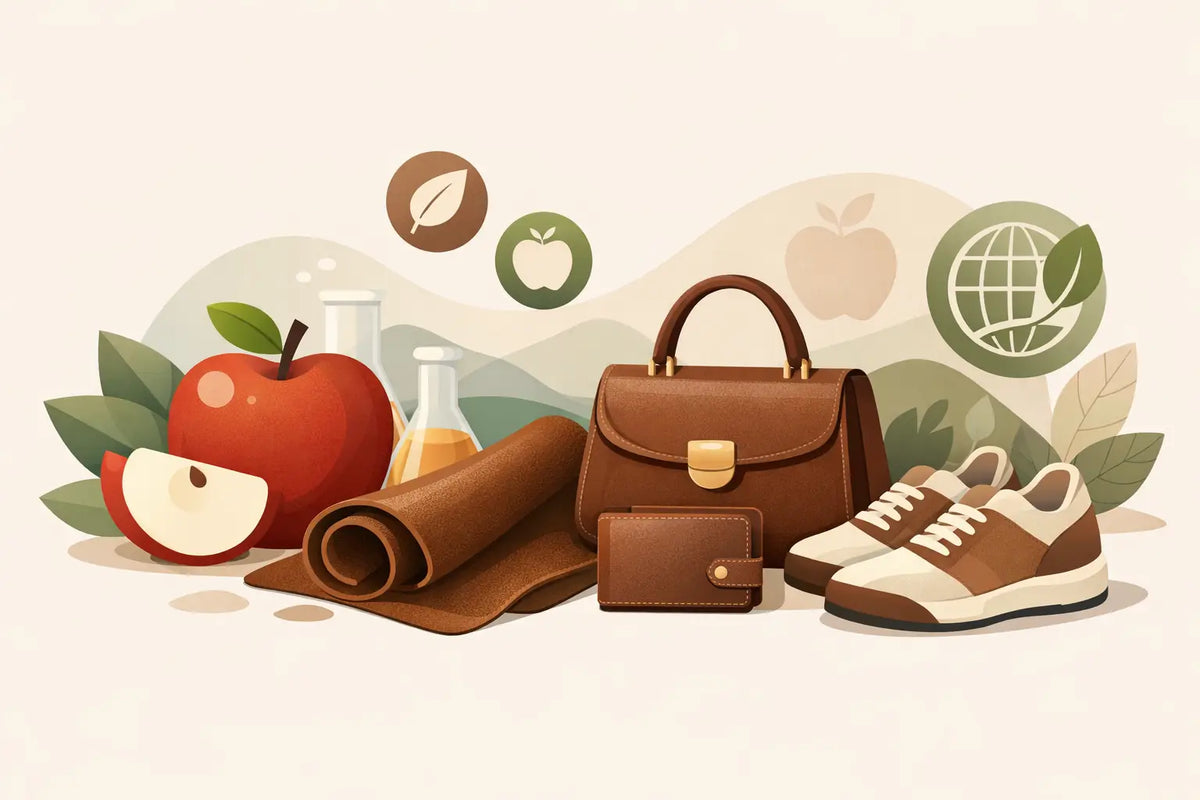
Apple leather is generally made by using apple industry byproducts, often the pulp, skin, and fiber left after apples are pressed for juice or food products. This apple-based material is processed and combined with other ingredients to create a flexible sheet that can be cut, stitched, and shaped into accessories.
The exact formula matters. Many apple leather materials include a synthetic binder or surface coating, commonly polyurethane, to improve strength, water resistance, and consistency. This does not make the material dishonest or less useful. It simply means apple leather is not always plastic-free, biodegradable, or identical from one maker to another.
A clear material description is a good sign. Look for brands that explain the material in plain language rather than relying only on broad terms such as “eco-friendly” or “sustainable.” Animal-free is one valuable part of the decision, but it is not the whole environmental picture. Durability, production transparency, repairability, and how long you will genuinely use the piece all matter too.
How to Choose Apple Leather Without Guesswork
Start with the item’s real job
A material can perform beautifully in one category and feel less suitable in another. Before choosing a color or silhouette, think about what the item will carry and how often it will be used.
For a card holder or small coin purse, a lighter, smoother apple leather can be an excellent fit. These pieces need to stay compact, resist everyday handling, and slip easily into a pocket or bag. For a larger tote or work bag, pay closer attention to structure. A soft material may look relaxed and elegant, but it may not hold its shape when carrying a laptop, notebook, water bottle, and daily essentials.
If you are choosing a gift, consider the recipient’s habits rather than only their taste. Someone who travels often may appreciate a passport holder with practical pockets. Someone who keeps only a few cards may get more use from a slim card case than a full wallet. A well-chosen small accessory can become a quiet, useful companion, not an object that stays in a drawer.
Look beyond the word “apple” to the finish
Apple leather comes in different surface textures. Some versions are smooth and refined, with a clean appearance that works well with minimal outfits and professional settings. Others have a grain, pebbled texture, or a soft matte finish that makes small marks less noticeable.
There is no single best finish. Smooth surfaces can look especially polished, but they may show scratches or color transfer more easily. Textured finishes are often more forgiving for frequent use. If you carry darker denim, cosmetics, pens, or keys in the same bag, a darker color and more textured surface may be the practical choice.
Pay attention to how the material feels, too. It should not feel excessively stiff, papery, or plasticky for the product’s purpose. A certain firmness is useful for structured card cases and bags, while flexibility matters more for wallets that need to open comfortably. Good material selection is a balance between appearance and movement.
Let construction tell you about longevity
The material is only one part of a well-made accessory. Examine the stitching, edge finishing, lining, closures, and hardware. These details determine whether a piece can handle repeated use with grace.
Stitches should look even and secure, especially near stress points such as corners, straps, zipper ends, and card slots. Edges should be neatly sealed rather than rough or peeling. On a wallet, card slots should hold cards securely without making them difficult to remove. On a bag, handles and straps should feel firmly attached, with reinforcement where weight naturally pulls.
Handcrafted work often reveals itself in these small decisions. The maker has considered where the material bends, where fingers pull, and where wear will appear first. At Broken Fingers+, the making process is also connected to skill-building and meaningful work with partner sheltered workshops. That human care does not replace quality standards. It gives even more reason for every stitch and finish to be done with attention.
Ask what the brand is willing to explain
Thoughtful brands do not need to claim perfection. They can tell you what the material is, why they selected it, and what kind of use it is designed for. This honesty gives you a better basis for choosing.
Look for clear guidance on care and realistic expectations about wear. A brand that acknowledges that lighter colors need more caution, or that a flexible material may develop gentle creasing, is helping you buy with confidence. Natural signs of use are not necessarily defects. Still, a product should be designed so that normal wear adds character rather than causing premature failure.
It is also worth considering the values behind the purchase. For some people, the priority is an animal-free material. For others, it is reducing waste, supporting handcraft, or choosing a product connected to inclusive employment. These priorities can coexist, but they may lead you toward different brands and materials. Choose the piece whose values you can stand behind after the first excitement of buying has passed.
Choose a Color You Will Keep Reaching For
Color affects how long an accessory stays in your life. A shade that matches your existing wardrobe and daily bag will likely be used more often than one chosen only for a passing trend.
Black, deep brown, navy, and charcoal are dependable choices for high-contact pieces. They tend to hide everyday marks and pair easily with workwear. Warm neutrals, soft gray, olive, and muted tan can feel personal without being difficult to style. Lighter colors bring a calm, fresh presence, but they ask for more attentive care and may show dye transfer sooner.
If this is your first apple leather piece, a small essential in a versatile color is often the most useful place to begin. It lets you understand the material through real use before committing to a larger purchase. If you already know you enjoy the feel and finish, a more expressive color can make an everyday object feel distinctly yours.
Care for Apple Leather with a Light Touch
Apple leather is generally easy to maintain, but it benefits from simple, regular care. Wipe surface dust with a soft, dry cloth. If needed, use a slightly damp cloth and dry the item gently afterward. Avoid soaking it, using strong detergents, alcohol-based cleaners, or applying conventional leather oils and conditioners unless the maker specifically recommends them.
Keep the item away from prolonged direct sunlight, high heat, and humid storage. Do not leave it pressed beneath heavy objects for long periods, especially if it has a structured shape. For bags and pouches, storing them lightly filled can help them keep their form.
Most importantly, avoid treating a small mark as a reason to discard a useful piece. Thoughtful use is part of sustainable ownership. A well-loved accessory may gather a few traces of the days it has traveled with you.
The right apple leather accessory should not ask you to choose between design, function, and conscience. Choose the one that fits your hands, your habits, and the kind of care you want your purchase to extend into the world.