Broken Fingers+ · Journal
上班族皮夾挑選技巧:實用與質感怎麼平衡

The moment you pull out your wallet in a meeting, at a coffee counter, or while tapping through a crowded commute, people notice more than you think. A wallet is a small object, but for working adults, it carries the rhythm of everyday life - how much you carry, how organized you are, and what kind of texture you want beside you from Monday morning to Friday night. That is why 上班族皮夾挑選技巧 is not really about chasing trends. It is about choosing something that supports your routine without adding friction.
A good wallet for work should feel easy, not impressive in a loud way. It should open smoothly, hold what you actually use, fit your bag or pocket without fighting for space, and still look right when placed on a desk. When those details line up, you stop thinking about the wallet and simply use it well.
上班族皮夾挑選技巧,先從日常動線開始
Before looking at leather types or colors, start with your day. Do you commute light with just a phone, key card, and two payment cards? Do you switch between client meetings, transit, and lunch errands? Or are you someone who still needs receipts, business cards, coins, and backup cash on hand?
This matters because the wrong wallet is usually not poorly made. It is simply mismatched to real life. A long wallet can feel polished and composed, but if you carry a compact crossbody or small work tote, it quickly becomes annoying. A slim card holder looks clean and modern, but for someone who handles receipts or keeps multiple IDs for work, it can create daily clutter.
Instead of asking what looks most professional, ask what you reach for most often. The best work wallet usually matches your movement pattern first, then your style.
If you carry light, slimmer is better
For many office workers, daily payments now happen mostly by card or phone. In that case, a slim bifold or card wallet often makes more sense than a bulky full-capacity wallet. It reduces pocket bulk, keeps your bag lighter, and helps you avoid carrying old loyalty cards and expired receipts for months.
There is a trade-off, though. Ultra-slim designs can feel elegant at first but become frustrating if every card slot is too tight or if folded bills always stick out. Minimal is helpful only when it still leaves room to breathe.
If your workday is mixed, structure matters more than size
Some people move through more situations in a single day - office entry cards, transit cards, business cards, cash for small vendors, maybe a few coins. For them, internal structure matters more than whether the wallet is technically compact.
A medium-size wallet with intuitive compartments can feel lighter in use than a tiny wallet packed beyond capacity. Good organization saves time. It also spares you from that awkward moment of digging through everything while someone waits behind you.
Material choice affects more than appearance
When people think about wallets, they often start with looks. But material determines how the wallet ages, how much care it needs, and what kind of presence it brings to your routine.
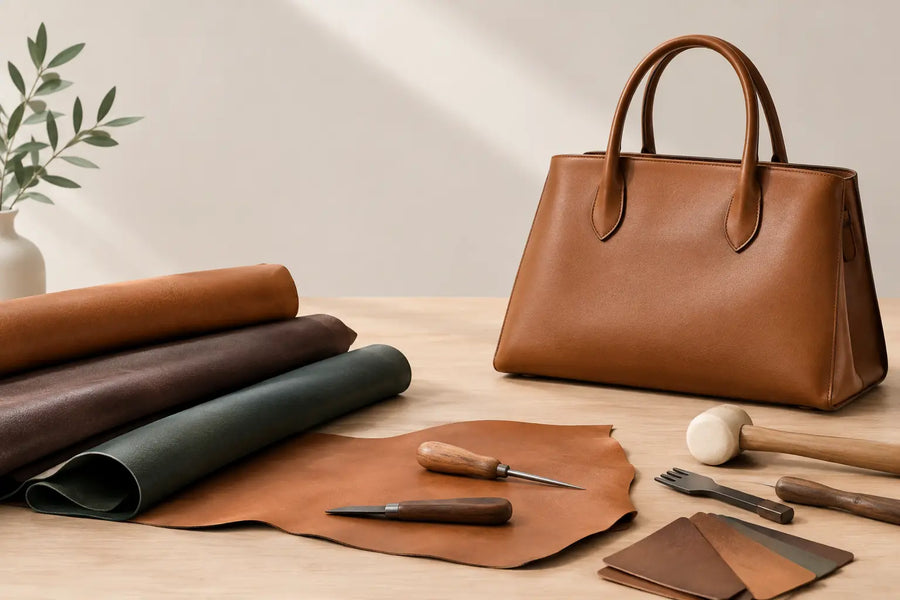
Genuine leather remains a favorite for office use because it softens over time, develops character, and generally handles daily friction well. It can look more personal with age instead of simply worn out. That said, not all leather ages the same way. Softer leather may feel luxurious in hand but show scratches more quickly. Firmer leather often holds its shape longer and can look sharper in professional settings.
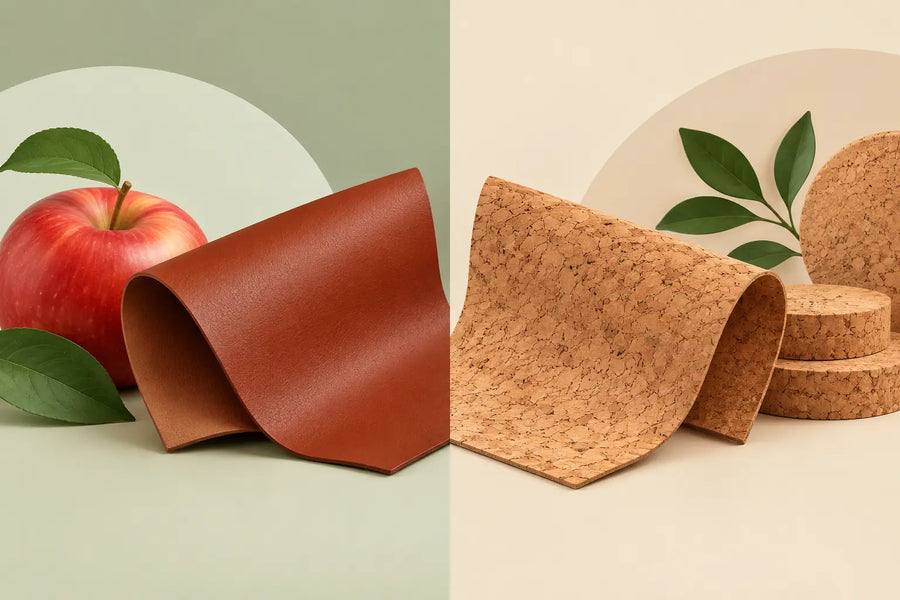
For those who want a lighter option or place sustainability higher on their list, apple leather and other plant-based alternatives can be a thoughtful choice. The appeal is not only ethical. Many of these materials offer a clean, refined finish that suits modern work life well. The key is to check how the material behaves in daily contact with keys, bag hardware, and packed commutes. A wallet is handled constantly, so surface resilience matters.
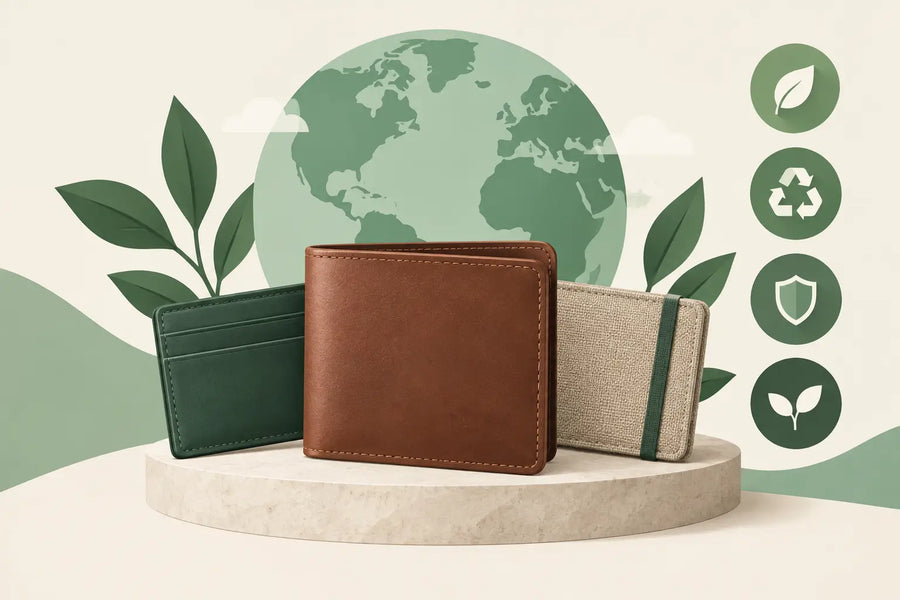
Choosing material is rarely about one option being universally better. It depends on whether you value patina, structure, lower maintenance, or environmental considerations most.
How to judge quality without overcomplicating it
You do not need to be a leather expert to recognize a well-made wallet. A few details tell you a lot.
First, look at the stitching. It should be even, neat, and consistent, especially around corners and high-stress areas. Uneven stitching is not just cosmetic. It can signal weaker construction over time.
Next, pay attention to edge finishing. Cleanly finished edges make a wallet feel more complete in the hand and less likely to fray or roughen with use. Then check the inside layout. Card slots should hold securely without feeling like they will stretch out immediately. The bill compartment should open comfortably. If there is a coin pocket, it should not create an awkward bulge when closed.
The wallet should also feel balanced when empty. If it already looks stiff, puffy, or misaligned before use, it usually will not improve after months of wear.
The right size for work is usually smaller than you think
One of the most useful 上班族皮夾挑選技巧 is this: buy for your real carry, not your worst-case carry. Many people choose a larger wallet because they want to be prepared, then spend years carrying things they never use.
A work wallet does not need to store your entire life. It needs to support your most common transactions with ease. For most people, that means a few payment cards, ID, some folded bills, and maybe one or two important extras.
If you use a tote or backpack daily, a bifold or compact zip wallet often gives the best balance. If you prefer tailored pants or smaller bags, a card holder or very slim wallet may be more comfortable. Long wallets can still work beautifully, especially if you value keeping bills flat or want a more formal look, but they ask for more bag space and tend to feel less casual in flexible everyday carry.
Color and design should support longevity
In work settings, the best wallet color is usually the one you will still enjoy in two years. Black, deep brown, tan, and muted earth tones remain popular because they pair easily with different bags, shoes, and office wardrobes. They also tend to hide minor wear more gracefully.
That does not mean bold color is wrong. A rich green, burgundy, or warm clay tone can feel expressive without becoming distracting. The question is whether the color feels like an extension of your everyday style or just a short-lived mood.
The same applies to hardware and design details. A little personality is welcome. Overdesigned features that catch, scratch, or date quickly are less charming after six months of use.
A work wallet should feel good emotionally too
People often talk about wallets in terms of function, but there is another layer that matters. This is one of the few accessories you touch every day, often multiple times a day. The texture, the craftsmanship, the quiet confidence of a well-made object - these shape your experience more than product specs ever can.
That is also why many thoughtful buyers care about how a wallet is made and by whom. A handcrafted piece carries a different kind of presence. You can feel the attention in the edges, the stitching, the way the form comes together. When that craftsmanship is connected to dignity, skill-building, and meaningful work, the object holds more than utility. It becomes part of a more human way of buying.
For brands like Broken Fingers+, that idea is central. A wallet is not only a practical accessory. It can also be a way to recognize craft, support capability, and choose design that carries warmth as well as purpose.
Common mistakes when choosing a wallet for office life
The biggest mistake is buying for appearance alone. A wallet that looks polished online may become frustrating if it is too thick, too stiff, or too shallow for your actual essentials.
Another common mistake is overestimating capacity needs. People often think they need many card slots, then use only four. Extra compartments sound useful, but they can encourage clutter.
The last mistake is ignoring how the wallet will age. Some people want pristine perfection forever. Others enjoy the marks of use. Neither is wrong, but it helps to know which kind of owner you are before choosing material and finish.
What to ask yourself before you buy
A few honest questions can save you from a bad match. Will this fit where I actually carry it? Can I access my most-used card quickly? Am I comfortable maintaining this material? Does the design still feel like me when the novelty fades?
If the answers are clear, you are probably close to the right choice. If not, pause. A wallet is a daily companion, not an impulse purchase disguised as a small one.
The best work wallet rarely shouts for attention. It simply keeps pace with your life, ages with dignity, and reminds you that practical things can still be beautifully made. Choose the one that makes your day feel a little lighter each time you reach for it.