Broken Fingers+ · Journal
Why Buy From Social Enterprises? A Better Choice

A wallet is opened dozens of times a week. A card holder comes along to first meetings, coffee runs, and long-awaited trips. These small objects sit close to our daily lives, which is exactly why buy from social enterprises is more than a question about where money goes. It is a question about what kind of work, stories, and possibilities we choose to carry with us.
Buying from a social enterprise does not mean settling for a product simply because it supports a good cause. At its best, it means choosing something useful, well-made, and thoughtfully designed, while helping create meaningful opportunities for people who are too often underestimated in conventional workplaces.
Why Buy From Social Enterprises? Your Purchase Has a Wider Reach
A social enterprise earns revenue through real products or services, then builds a social or environmental mission into the way it operates. That distinction matters. The goal is not a one-time act of charity. It is sustained participation: paid work, practical training, professional confidence, and a business model that can continue creating opportunity.
When you buy a handmade leather accessory from a mission-led brand, the value of that purchase can extend beyond the finished piece. It may contribute to learning a craft, practicing a production process, receiving fairer employment support, or having skills recognized through work that reaches customers.
For people with autism, Down syndrome, physical disabilities, or lived experience of mental health recovery, the barrier is rarely a lack of potential. More often, it is a lack of patient training, flexible environments, and employers willing to see ability before assumption. Work that respects different rhythms and strengths can turn a skill into income, confidence, and a stronger sense of belonging.
That is the deeper impact of value-based shopping. You are not buying someone’s story as a sentimental add-on. You are choosing a product shaped by real hands, real learning, and the belief that everyone deserves the chance to contribute.
Good Design Is Part of the Responsibility
A product with a social mission should still work beautifully. It should fit naturally into your routine, feel good in your hand, and hold up to use. Otherwise, it risks becoming a well-intentioned purchase that stays in a drawer.
This is where thoughtful social enterprises take a different approach from charity merchandise. They invest in product development, material selection, construction, and details that make everyday objects worth keeping. A clean card holder, a practical zip wallet, or a bag with a considered silhouette can meet a genuine need while reflecting your personal style.
The trade-off is that handmade or small-batch production may cost more than factory-made goods designed for maximum volume. There may be fewer color options, longer preparation times, or small variations from piece to piece. But those differences are often part of what gives an item its character. They also reflect a production process that places care ahead of speed alone.
A higher price is not automatically proof of impact or quality, of course. It depends on the brand’s materials, craftsmanship, worker support, and transparency. Still, when a piece is designed to last and carries meaning beyond a passing trend, its value can feel very different from a cheaper item replaced a few months later.
The People Behind the Product Deserve to Be Seen
We often talk about handcrafted goods as though the word “handmade” says everything. It does not. Craft is not only about the final stitch or edge finish. It is also about the person gaining familiarity with tools, refining a movement, completing a task independently, and seeing their work chosen by someone else.
That last part is powerful. Being paid for work and having that work appreciated are not small things. They counter the narrow idea that productivity has only one pace, one communication style, or one acceptable path.
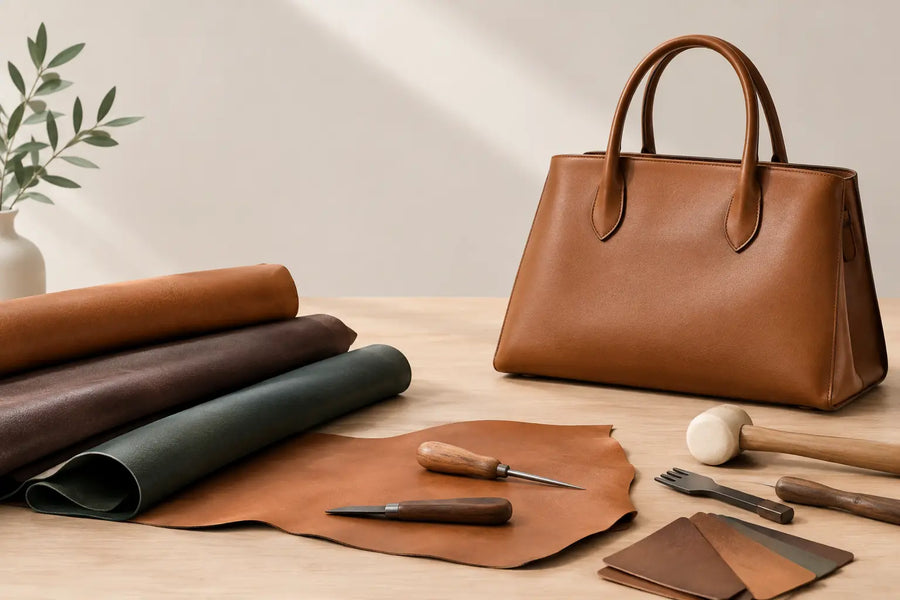
At Broken Fingers+, leathercraft is connected to supported workshop partnerships and practical making. The products are made to be used and enjoyed, but the process also makes room for people to build skills through real production. A finished bag or passport holder becomes evidence of capability, not a symbol of limitation.
This is why language matters. The most respectful social enterprises do not position workers as objects of pity. They focus on craft, contribution, and the conditions that allow people to do their best work. The social impact is stronger when it is grounded in dignity.
A More Thoughtful Way to Give
For many people, the clearest reason to shop with a social enterprise appears when choosing a gift. A birthday present, graduation token, or holiday exchange already carries an intention: I saw this and thought of you. A well-designed item with a meaningful origin adds another layer without making the moment overly serious.
A leather key holder can mark a new home. A passport case can celebrate an upcoming journey. A compact wallet can be a useful thank-you for a colleague or mentor. The gift does not need a long explanation, but it gives the recipient a story they may be glad to share.
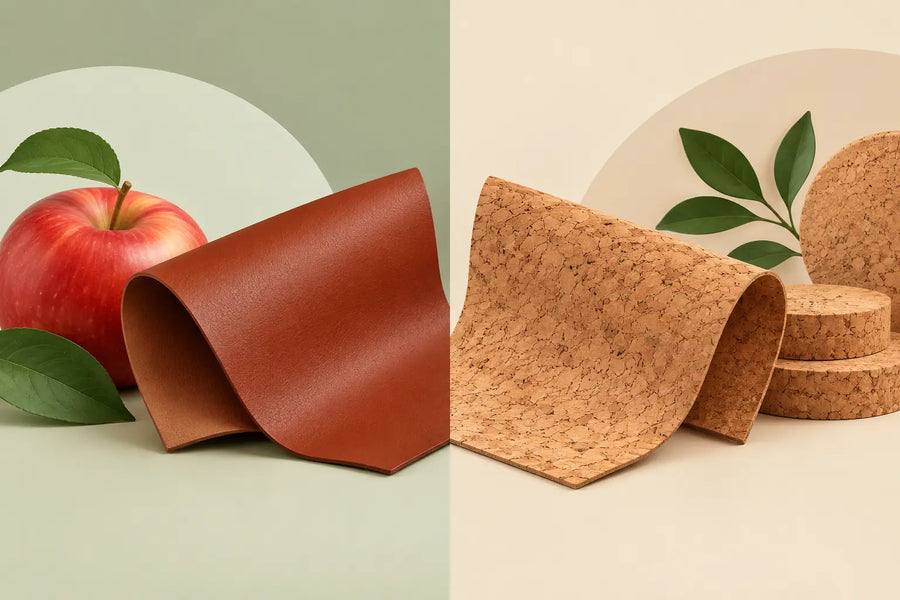
The best gifts are not chosen only for their message. They suit the person receiving them. Consider how they travel, what they carry, whether they prefer bold color or quiet neutrals, and whether they value natural leather, alternative materials, or lighter everyday essentials. Meaning lands best when it is paired with genuine usefulness.
Social Impact Should Be Clear, Not Vague
It is reasonable to ask questions before you buy. The phrase “social enterprise” is not a guarantee that every business has the same practices or depth of impact. Some organizations direct profits to a cause. Others build inclusive employment directly into their production. Both can do good, but they are not identical.
Look for clarity around who benefits and how. Does the business explain its mission in concrete terms? Does it describe its partnerships, training, employment approach, or environmental decisions? Does the product itself appear thoughtfully made, with useful details and honest information about materials?
You do not need an impact report for every purchase. But a few clear signs can help you spend with confidence:
- The mission is specific about the people, communities, or environmental issues it supports.
- The products have a purpose beyond collecting donations, with quality and usability treated seriously.
- The brand speaks about workers with respect, emphasizing skills and participation rather than pity.
- Pricing and materials are explained honestly, including the limits of handmade or sustainable production.
Buying With Purpose Can Still Feel Personal
There is no need to make every purchase a moral test. Convenience, budget, durability, and personal taste are real considerations. Sometimes the most responsible choice is to use what you already own, repair an item, or wait until you find something that truly fits your needs.
But when you are ready to buy, choosing a social enterprise offers a meaningful alternative to anonymous consumption. It lets design and compassion sit at the same table. You can enjoy the texture of a carefully finished leather piece, appreciate its function in daily life, and know that its creation helped make work more accessible and more visible.
The next time you reach for a wallet, bag, or small gift, pause for a moment and ask what you want that object to carry. A useful piece can hold cards, keys, and travel documents. Chosen with care, it can also hold a quiet reminder that ability grows when it is given the space to be seen.