Broken Fingers+ · Journal
Leathercraft Confidence Building Stories That Last
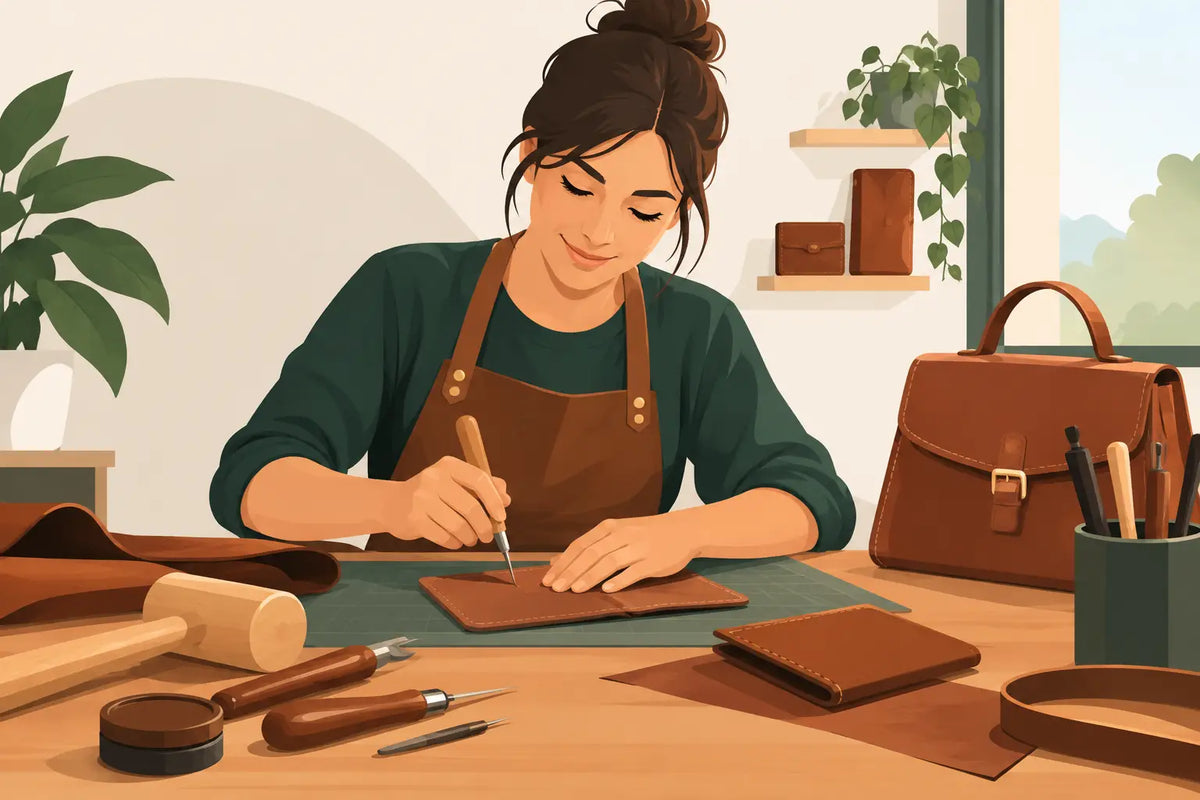
A straight stitch can look like a small thing. Yet when someone who once hesitated to hold a needle finishes a card holder, checks every edge, and says, “I made this,” that object carries more than cards. Leathercraft confidence building stories often begin in moments like this: not with a dramatic transformation, but with a pair of hands discovering what they can do.
For people who value thoughtful design, the story behind a leather piece matters. A well-made wallet or bag should serve daily life beautifully. It can also reflect patience, earned skill, and the quiet dignity of work that is seen and valued.
Why Leathercraft Builds Confidence Differently
Leatherwork asks for attention. The maker measures, marks, cuts, punches, stitches, burnishes, and checks the final shape. Each stage offers a clear relationship between effort and result. A careful cut produces a clean line. Consistent stitching creates strength. A patiently polished edge changes the feel of the whole piece.
That clarity can be especially meaningful for people rebuilding confidence after exclusion, illness, disability, or a long period of being underestimated. In many settings, people are judged by speed, social ease, or whether they fit a narrow idea of productivity. Leathercraft makes room for another measure: care.
There is no need to pretend that every task is easy. Stitching can be tiring. Leather can resist a beginner’s hands. A misaligned hole may mean taking time to unpick and begin again. But the work is tangible. Improvement is visible, and a finished item offers proof that persistence has a shape.
The Small Wins Inside Leathercraft Confidence Building Stories
Confidence rarely arrives all at once. It is built through repeated experiences of trying, adjusting, and completing. In a leather workshop, those experiences are easy to recognize.
The first win may be learning to use a cutting tool safely. Later, it may be following a pattern independently or keeping a saddle stitch even across a long seam. Eventually, a maker may inspect their own work, recognize where a detail needs refinement, and take pride in a standard they have learned to hold.
These are not merely technical milestones. They change the language a person can use about themselves. “I can’t” becomes “I need another try.” “Someone has to do this for me” becomes “Show me the first step.” The shift is quiet, but it reaches far beyond the worktable.
A handmade product also creates a meaningful exchange with the person who carries it. When a customer chooses a leather coin pouch, passport cover, or everyday bag, they are not purchasing pity. They are choosing design, utility, material, and craftsmanship. The maker’s contribution is recognized as real work with real value.
That distinction matters. Support should never reduce a person to a cause. The strongest social-impact products begin with quality and are deepened by the human care behind them.
Practice Makes Progress Visible
Leather is an honest material. It remembers pressure, reveals uneven cuts, and develops character with use. For beginners, that honesty can feel intimidating. A mark made too deeply does not disappear because someone wishes it away.
Yet that is also why the material teaches so well. Makers learn to slow down, use the right amount of pressure, and work with intention. They learn that an imperfect first attempt is information, not a verdict. A slightly uneven stitch can show exactly what to practice next time.
Unlike a task that vanishes into a screen or a busy day, a leather piece remains. A maker can hold an early project beside a newer one and see the difference in their own hands. This physical record of growth gives encouragement a solid foundation.
Responsibility Can Be a Form of Trust
Confidence grows when people are trusted with work that matters. Preparing materials, maintaining tools, checking product quality, and completing an order all communicate the same message: your role is needed here.
Of course, meaningful support includes clear instruction and a pace that respects different abilities. Trust is not the same as leaving someone to struggle alone. The best learning environments balance guidance with room to make decisions. They offer feedback that is specific, respectful, and focused on the work rather than the person’s limitations.
When a maker is responsible for a real part of a finished product, they are not practicing for an imaginary future. They are participating in the present.
What a Finished Leather Piece Says
A finished leather item is useful, but it is also a statement. It says that time was given to the details people touch every day: the smooth edge of a card case, the secure snap on a small wallet, the stitch line that holds a bag together through commutes and errands.
For the maker, completion can bring a sense of ownership that compliments alone cannot replace. Praise is welcome, but the object itself becomes evidence. It can be shown to family, placed in a display, packed for a customer, or carried by someone who appreciates the result.
For the customer, this creates a more personal relationship with everyday goods. The purchase is not valuable only because it supports a mission. It is valuable because the product has been made with skill and purpose. Its story adds depth without asking the customer to overlook quality.
At Broken Fingers+, this belief is reflected in leather goods made through partnerships with sheltered workshops, where craft training and production create pathways for people to contribute through their strengths. The work honors both the maker and the person who chooses to bring that work into daily life.
Choosing With Care: Material, Use, and Meaning
A meaningful purchase should still fit the life it enters. Someone who carries only a few cards may value a compact card holder over a larger wallet. A frequent traveler may find a passport cover more useful than a decorative accessory. A bag for daily work needs to match how much it will carry and how it will be used.
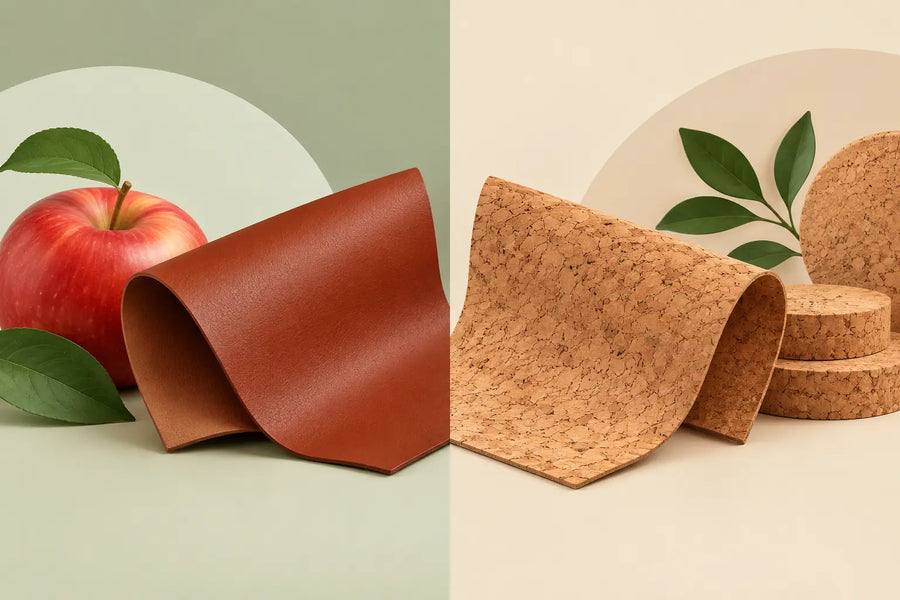
Material is part of that decision, too. Genuine leather has a natural grain and can soften over time, developing a personal patina. It asks for occasional care and may show signs of wear, which many people come to appreciate. Apple leather offers another path for shoppers who prefer a more plant-based material direction and a clean, modern finish. Neither choice is automatically better. The right one depends on use, aesthetic preference, and the kind of relationship someone wants with the item over time.
When giving a leather piece as a gift, consider the message behind its usefulness. A card holder can mark a first job. A wallet can celebrate a graduation, a move, or a new chapter. A small coin pouch can simply say, “I noticed what would make your day easier.” The most memorable gifts do not need grand speeches. They show attention.
Confidence Is Not a Perfect Stitch
There is a temptation to tell uplifting stories as if confidence means never feeling uncertain again. Real confidence is more durable than that. It includes knowing that a difficult task may take longer, that mistakes can happen, and that asking for support does not erase capability.
Leathercraft offers a practical version of this truth. Some pieces will be set aside. Some stitches will be redone. Some skills will take months of repetition before they feel natural. The goal is not flawless hands. It is the growing belief that one can stay with the work, learn from it, and make something worthy of use.
The next time you hold a handmade leather piece, pause at the details. Notice the line of the stitching, the shaped edge, and the choices that turned raw material into something dependable. In that care, there may be a reminder worth keeping close: progress becomes believable when we can see, use, and share what our hands have made.