Broken Fingers+ · Journal
庇護工場合作品牌案例 That Build Trust Through Craft
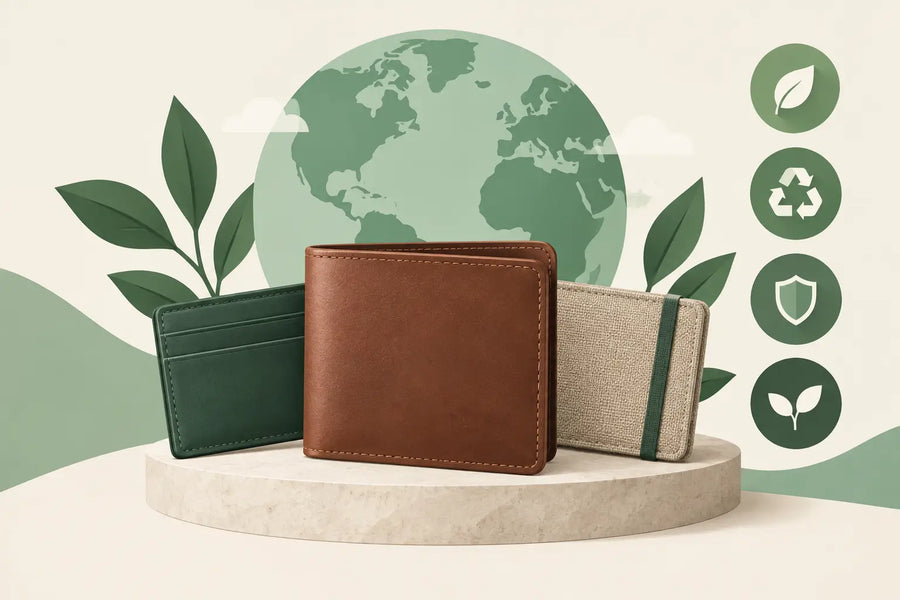
A card holder can be small enough to fit in a pocket, yet meaningful enough to change how we think about work. The strongest 庇護工場合作品牌案例 do not ask customers to choose between good design and social impact. They show that a well-made everyday object can carry both: practical function, careful craft, and a visible route toward opportunity for the people who made it.
For customers who care about what they buy, a social-impact label alone is no longer enough. They want to know whether the product is useful, whether the materials feel right, and whether the collaboration creates real work rather than a short-lived campaign. That is where a thoughtful brand partnership with a sheltered workshop becomes more than a feel-good story. It becomes a business model built around dignity.
What makes sheltered workshop collaborations meaningful?
A sheltered workshop collaboration works best when production is designed around people’s abilities, not when people are forced to fit an inflexible production line. This distinction matters. Autistic makers, people with Down syndrome, people with physical disabilities, and people in mental health recovery all bring different strengths, learning rhythms, and support needs.
In leather craftsmanship, the work can be thoughtfully divided into clear stages: selecting pieces, tracing patterns, edge finishing, stitching, assembling hardware, and quality checking. Repetition can build confidence, while a carefully paced workflow can make skills visible and measurable. The goal is not to lower expectations for the finished piece. It is to create the right conditions for makers to meet a standard they can be proud of.
This approach also asks more of the brand. Product design needs to account for production reality. A bag with an overly complicated construction may look impressive in a sketch, but it can create unnecessary pressure on a workshop team. A well-designed wallet, card holder, coin pouch, or passport case can balance beauty with a production process that is teachable, repeatable, and rewarding.
The result is not charity merchandise. It is considered design with a human production story.
庇護工場合作品牌案例: the leather goods model
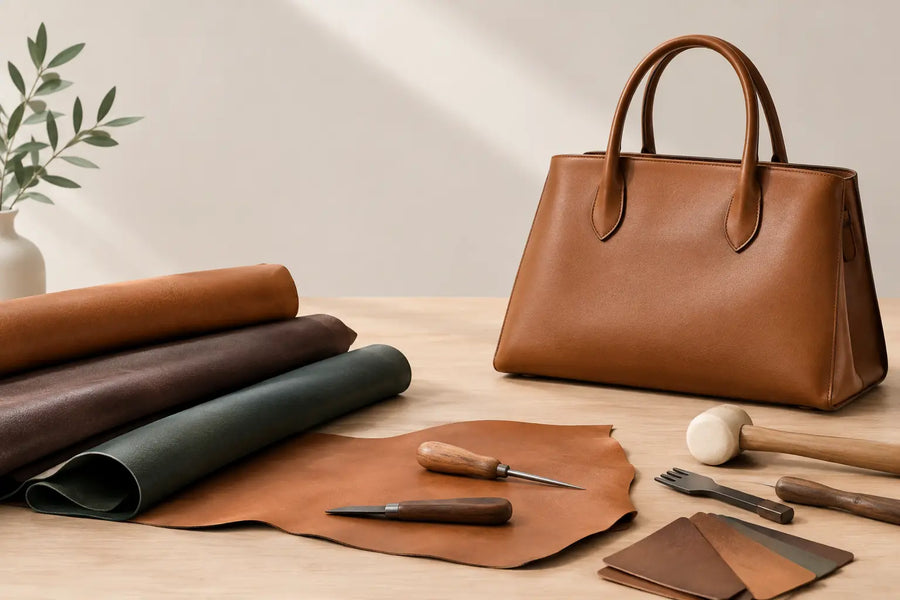
Leather goods offer a particularly powerful model for this kind of partnership because they invite close attention. Customers notice the grain of the material, the neatness of a stitch, the finish along an edge, and the way a piece gradually becomes part of daily life. These details create a direct connection between craftsmanship and value.
A meaningful collaboration often begins before the first product is sold. Brand teams and workshop instructors need time to translate designs into learning-friendly steps. This may mean adjusting a pattern, creating visual guides, preparing jigs that help with consistent placement, or allowing more time for practice before a collection launches.
That preparation is an investment, not a detour. When a maker learns how to complete a task with confidence, the outcome reaches beyond a single order. Skills can become more stable, quality can become more consistent, and the person doing the work gains a clearer sense of contribution.
Broken Fingers+ 破指自愈 is built around this belief. Through leather craft training and real production opportunities, the work connects hand-finished accessories with the abilities of makers who deserve to be seen for what they can do. A purchase then supports more than an object. It supports practice, participation, and the possibility of being recognized through meaningful work.
Design should respect the maker and the customer
There is a trade-off worth acknowledging. Handmade production may take longer than factory-scale manufacturing, and small variations can occur. For the right customer, those differences are part of the object’s character. Still, handmade should never become an excuse for poor finishing or vague delivery expectations.
Trust grows when a brand communicates clearly about what is handmade, what may vary, and how quality is checked. A slightly individual stitch line is different from a loose seam. Natural leather markings are different from damage. Customers can appreciate the humanity of handmade work when brands explain it with honesty and stand behind the product.
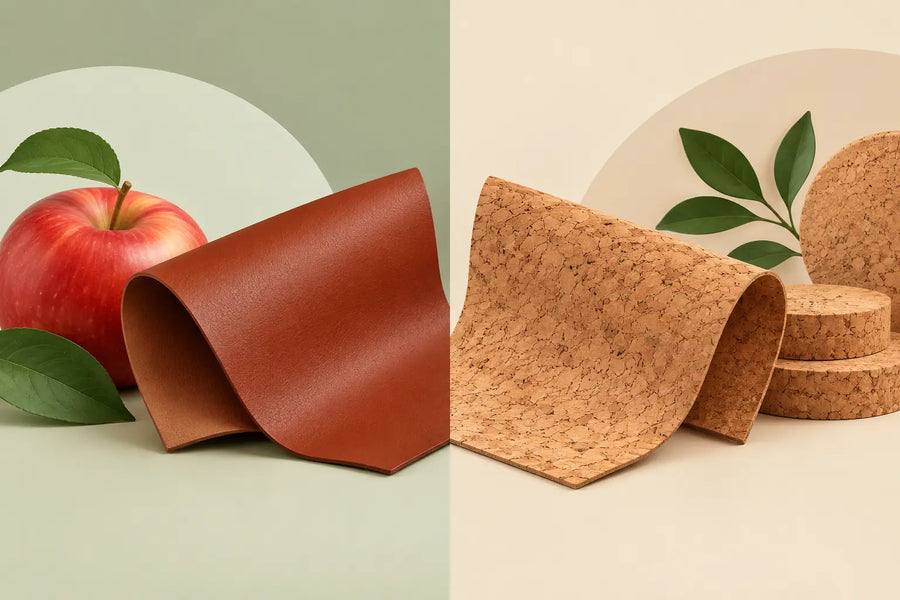
Material choices also shape the story. Traditional leather can offer durability, texture, and a patina that develops over time. Apple leather provides another path for those seeking an animal-free material with a lower-impact direction. Neither choice is automatically better for every person. A gift buyer may prioritize a refined leather finish, while a customer with environmental concerns may prefer apple leather. Offering both allows values and personal use to guide the decision.
The difference between a campaign and a lasting partnership
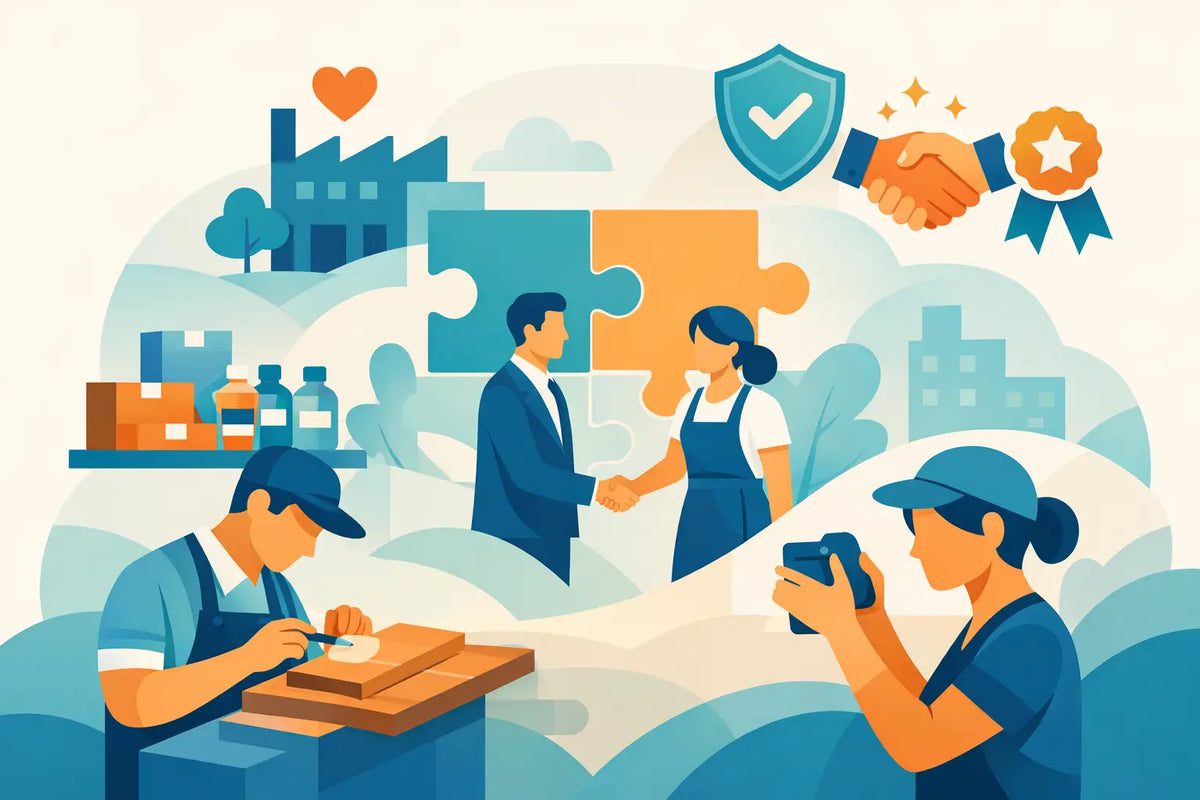
Many brands feature a social cause during the holidays, then move on when the promotion ends. A lasting sheltered workshop partnership looks different. It includes regular orders, product development that considers the workshop’s capacity, payment structures that respect labor, and stories told with consent.
The story is especially important. Makers should not be reduced to a diagnosis or used as emotional decoration around a product. Good storytelling focuses on process, skill, persistence, and personal voice. It allows customers to understand the work without turning the maker into an object of pity.
This is where language matters. Instead of saying a customer is “saving” someone through a purchase, a more truthful message is that their purchase helps sustain training and paid work. The maker remains the person creating value. The customer participates by choosing to recognize that value.
For brands, the commercial discipline cannot be ignored. A mission-led collection still needs appropriate pricing, strong photography, dependable packaging, and customer service that makes buying easy. Social impact and commercial care are not opposing goals. In fact, weak product presentation can undermine a good mission by suggesting that customers should accept less because the cause is worthy.
How to recognize an honest collaboration as a customer
When choosing a product from a socially minded brand, look beyond the phrase “supports a good cause.” The details reveal more. Does the brand explain what the workshop actually does? Does it describe training, production roles, or the making process? Does the product itself appear useful and thoughtfully finished?
It also helps to consider the kind of purchase you are making. A slim card case can be a quiet daily reminder of what you value. A passport holder makes a meaningful gift for someone beginning a new chapter. A hand-finished bag can become a long-term companion rather than another seasonal accessory. The more often an object is used, the more chances its story has to remain present.
For gift-giving, this matters even more. A meaningful gift should not place emotional pressure on the recipient. Choose something that fits their life first: a color they will wear, a size they will use, a material that matches their preferences. The social story should add depth to the gift, not replace usefulness.
Building value that lasts beyond checkout
The best collaborations create a cycle of recognition. Makers gain skills and work experience. Brands gain products with substance and a story rooted in real practice. Customers receive an item that feels personal, useful, and aligned with their values.
That cycle takes patience. Training takes time. Hand-finishing takes attention. A partnership may need to start with a smaller collection before expanding into more complex pieces. Yet this measured pace can be a strength. It makes room for quality, learning, and decisions that do not leave people behind.
A wallet, pouch, or bag cannot solve every barrier to employment. But when it is made within a structure that values ability, pays attention to craft, and gives makers a place in the work, it can become evidence of something more hopeful: value is not granted by sympathy. It is built, stitch by stitch, when someone is given the chance to show what their hands can do.