Broken Fingers+ · Journal
社會企業皮件選購指南:買得好,也支持得對

A wallet gets touched every day. A card holder travels with you to work, coffee meetings, airports, and quick grocery runs. A passport case might only come out a few times a year, but when it does, it carries a small piece of your rhythm and identity. That is why a 社會企業皮件選購指南 should never stop at color, price, or trend. If you are choosing leather goods from a social enterprise, you are also choosing how design, craftsmanship, and dignity can live in the same object.
The good news is that you do not have to choose between meaning and quality. The better social enterprise brands are not asking you to lower your standards. They are asking you to look more carefully at what makes a piece worth keeping.
What makes social enterprise leather goods different
Not every value-driven brand works the same way. Some donate part of their profits. Some run training programs. Some, more directly, build production around real employment and hands-on skill development for people who are often underestimated by the market.
That difference matters when you shop. A leather item made within a social enterprise model is not meaningful simply because it has a good story attached to it. It becomes meaningful when the story is connected to real work, real training, and real craftsmanship. In other words, the product should stand on its own, and the social impact should deepen its value rather than excuse weak design or poor construction.
For thoughtful buyers, this is usually the turning point. You are not buying charity. You are buying something useful and well made, while supporting a system that creates room for people to be seen for their ability.
A practical 社會企業皮件選購指南 for everyday buyers
The first question is simple - what do you actually need this piece to do?
If you carry light and prefer clean pockets or a small bag, a card holder or compact wallet makes sense. If you handle cash often, a coin pouch or full wallet may still be the better fit. If you travel for work or take frequent short trips, a passport case can be one of those small upgrades that makes your routine feel calmer and more organized.
Function should come before aesthetics, but aesthetics should not be dismissed. A leather good is one of the few daily items that can age with you. The right one should fit your habits and still feel like something you are happy to hold for years.
Start with material, not marketing
Material shapes almost everything - texture, durability, maintenance, and how the item will look after months of use.
Genuine leather usually appeals to buyers who want natural grain, softness, and the gradual patina that develops over time. It tends to feel warmer and more personal the longer you use it. But genuine leather also asks for care. Some finishes scratch more easily, and some types respond differently to humidity and handling.
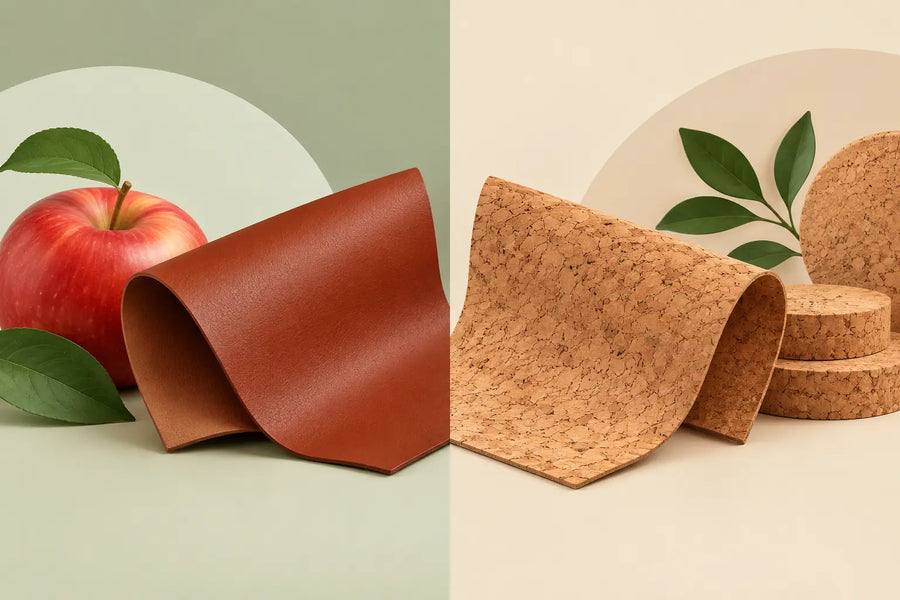
Plant-based alternatives such as apple leather attract shoppers looking for a lower-impact option without giving up a polished look. A well-made apple leather piece can feel modern, clean, and easy to style. It may also be a better fit for people who want a gift with a sustainability story that is easy to explain. Still, it helps to be honest about expectations. Alternative materials do not age exactly like traditional leather, and some buyers may prefer that while others may miss the depth and character that natural leather develops over time.
The right choice depends on your priorities. If tactile richness and long-term aging matter most, genuine leather may feel more satisfying. If material innovation and environmental consideration are central to your decision, apple leather may be the stronger match.
Look closely at construction details
A beautiful product photo can hide weak execution. Good leather goods reveal themselves in the details.
Check the stitching lines. They should look even, deliberate, and clean at corners and folds. Look at the edge finishing. Rough or peeling edges usually signal shortcuts. Notice the shape of the piece when empty. A well-made wallet or pouch should already hold its form with intention, rather than collapsing awkwardly.
Closures and compartments matter too. A zipper should move smoothly without catching. Snap buttons should feel secure, not loose or overly stiff. Interior sections should match actual use, not just look impressive in a product description. Five card slots sound nice until the wallet becomes bulky and difficult to close.
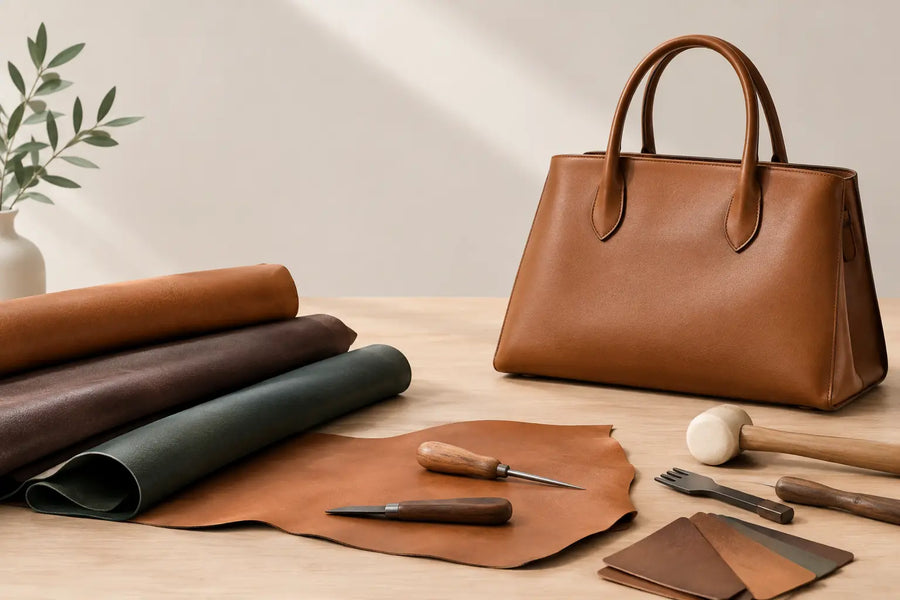
This is one place where handcraft matters. When an item is made through a careful workshop process, you can often sense it in the consistency. The piece feels considered, not rushed.
How to judge value beyond price
Price is often where people hesitate, especially when social enterprise products are not the cheapest option in the market. That hesitation is fair. A higher price should come with a clear reason.
Part of that reason may be small-batch production, hand-finishing, or more attentive quality control. Part of it may also reflect a production model that invests in training and supported employment rather than squeezing labor to the lowest possible cost. For many buyers, that is not a premium added on top. It is part of the value itself.
Still, value should be concrete. Ask whether the product is useful enough to become part of your daily life. Ask whether the design will still feel right after the trend cycle passes. Ask whether the brand is transparent about what it makes, how it is made, and why that process matters.
A social enterprise leather good is worth the price when it gives you three things at once - dependable function, visual staying power, and a purchase you can feel aligned with.
Choosing for yourself versus choosing as a gift
The best personal purchase is often the most specific one. Think about your own habits, your bag size, whether you carry coins, how often you travel, and whether you prefer a soft hand feel or a more structured silhouette.
Gift buying works a little differently. In that case, versatility matters more. Neutral tones, practical formats, and slim profiles are usually safer choices. A card holder, passport case, or compact zip wallet often lands well because it feels elevated without asking the recipient to change their routine too much.
This is also where social enterprise leather goods become especially meaningful. A gift can be stylish and useful, but when it also carries a story of skill, employment, and respect, it becomes easier to remember. Not dramatic, not sentimental for the sake of it - just quietly meaningful in a way that lasts.
Questions worth asking before you buy
A good 社會企業皮件選購指南 should help you ask better questions, not just admire better photos.
Ask what material the piece is made from and how it is expected to age. Ask whether the item is hand-stitched, hand-finished, or workshop-produced in small runs. Ask how the social enterprise model actually works. Does the purchase support direct training and employment? Is the impact built into production, or added later as a campaign message?
You should also ask about care. Some buyers skip this and regret it later. Leather goods last longer when you understand basic maintenance. Even a simple habit like keeping the piece dry, storing it away from direct heat, and not overstuffing compartments can extend its life significantly.
When design and mission truly support each other
The strongest brands in this space understand that emotion alone does not build trust. Design does. Quality does. Clarity does. The mission becomes more powerful when the product is strong enough to carry it.
That is why the most memorable social enterprise leather goods feel balanced. They do not shout their values. They let you experience them through touch, use, and consistency. You notice the neat stitching. You notice the thoughtful proportions. You notice that the piece fits naturally into your day. Then, as you learn who made it and what that process made possible, the object gains another layer of meaning.
That is a better kind of purchase. Not because it is perfect, but because it respects both the maker and the user.
If you are choosing your next wallet, pouch, or passport case, take your time. Pick the piece that fits your routine, reflects your taste, and comes from a model of work you want to stand behind. A good leather item stays with you. A meaningful one can also remind you, quietly and often, that care and value are not separate things.