Broken Fingers+ · Journal
永續皮件入門選購清單 for a Thoughtful First Purchase
A card holder is small enough to disappear into a pocket, yet it can stay with you through commutes, celebrations, new jobs, and years of ordinary days. That is why a better purchase starts before color or price. This 永續皮件入門選購清單 is for choosing a piece that feels good to carry, is made to last, and reflects the kind of impact you want your money to support.
Sustainable leather goods are not defined by one material or one label. They are shaped by the full picture: what the material is, how it is processed, who made it, how long it will be used, and whether the brand can speak plainly about those choices. A beautiful wallet that wears well for years can be a more thoughtful choice than a trend-driven accessory replaced every season.
Start Your 永續皮件入門選購清單 With Daily Use
The most sustainable piece is often the one that genuinely earns a place in your routine. Before comparing materials, decide what you need the item to do.
If you carry only a few cards and pay by phone, a slim card holder may prevent you from buying more volume than you need. If you regularly carry receipts, coins, or several cards, a compact wallet with intentional compartments will serve you better. For bags, consider the objects you reach for every day: laptop, water bottle, charger, notebook, keys, or a child’s essentials. A bag that fits your actual life is far more likely to stay in use.
Also think about how you move. A structured piece may hold its shape beautifully but need more mindful care. A softer design can be easier to use every day, though it may develop visible character sooner. Neither is automatically better. The right choice is the one whose signs of use you can welcome rather than regret.
Look Beyond the Word “Sustainable”
Materials deserve curiosity, not suspicion. Every option comes with trade-offs, and responsible brands should be able to explain them without making impossible promises.
Genuine leather: longevity depends on sourcing and care
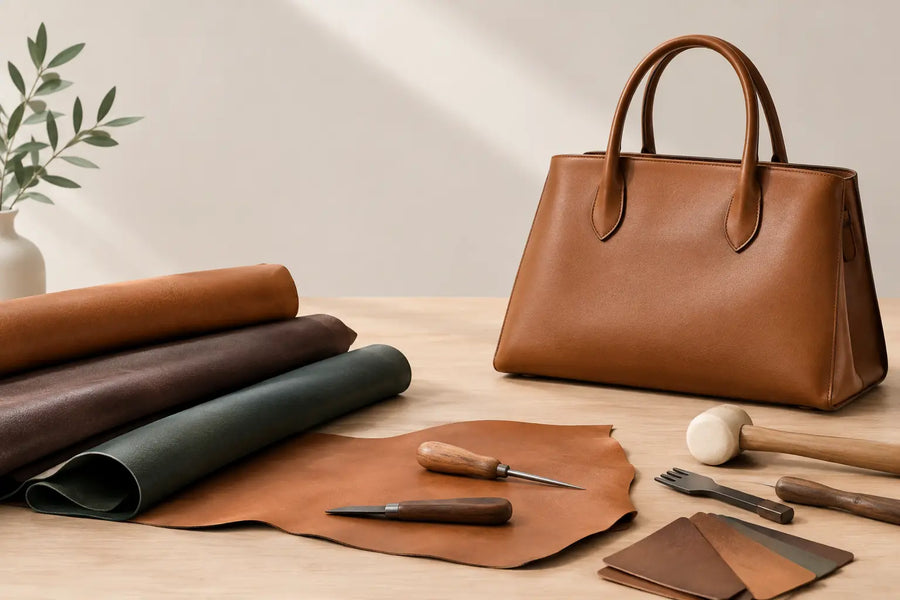
Well-made genuine leather can have a long useful life. It can be repaired, conditioned, and appreciated as it develops a patina. But leather’s impact varies widely according to livestock supply chains, tanning methods, chemical management, and production practices. “Real leather” alone does not tell you enough.
When considering a leather item, look for meaningful details: clear material descriptions, transparent craftsmanship, thoughtful construction, and care guidance that helps extend the item’s life. A slightly higher initial cost can make sense when stitching, edges, hardware, and material quality are designed for many years rather than a few outings.
Apple leather and other plant-based alternatives: ask what is inside
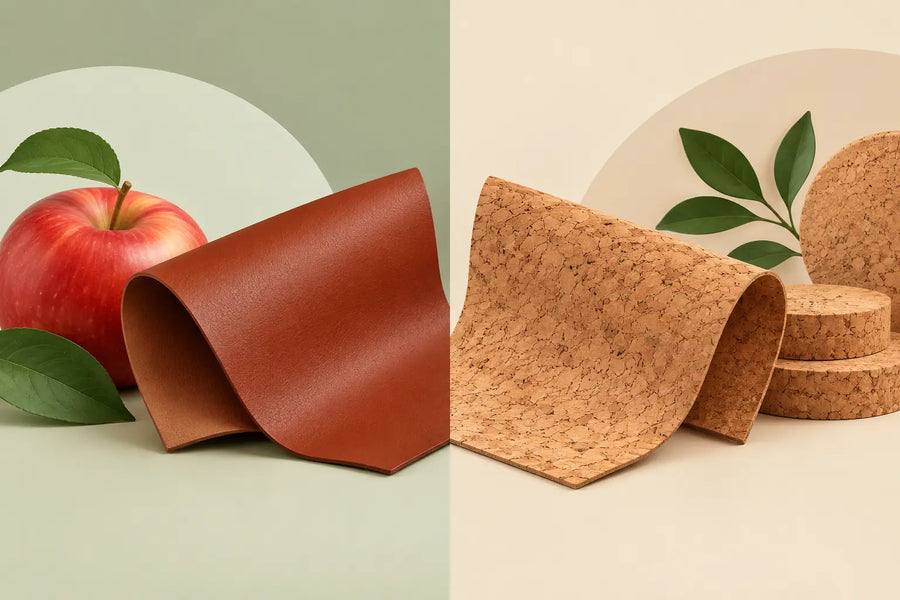
Apple leather is often made using fibers or waste from the apple industry, combined with other materials to create a flexible, leather-like surface. It offers an appealing option for people who prefer not to buy animal leather and want a material with a lower-waste story.
Still, plant-based does not always mean entirely plant-derived, plastic-free, or impact-free. Many alternatives include synthetic binders or coatings to improve strength and water resistance. That does not make them a poor choice. It simply means the best question is not, “Which material is perfect?” but, “Is this material honestly described, appropriate for the product, and likely to be used for a long time?”
For a first purchase, an apple leather card holder, small wallet, or pouch can be a practical place to start. Smaller accessories require less material, let you experience the texture in daily life, and make thoughtful gifts without asking someone to change their entire wardrobe.
Read Construction Like You Would Read an Ingredient List
A sustainable claim should be supported by the way an item is made. Closely finished edges, consistent stitching, secure hardware, and a considered interior are not merely aesthetic details. They influence whether a piece can withstand daily handling.
Look at the stress points. On a bag, check where the handles meet the body and where straps attach. On a wallet or card holder, inspect whether the card slots appear over-stretched or whether the fold feels overly rigid. A well-designed piece should feel intentional from the first touch, not fragile or difficult to use.
Handcrafted does not mean every item will be mechanically identical, and that is part of its quiet value. Small variations can reflect human hands at work. What matters is that the finishing is careful and the maker’s process respects both the person making the piece and the person who will carry it.
Choose Brands That Make People Visible
Sustainability is also about people. Behind every cut, stitch, and finished edge is labor that deserves fair recognition, training, and opportunity.
A brand does not need dramatic language to prove its social commitment. Look for specific, grounded information: Who makes the products? Are artisans paid and supported? Does the work create real skills and meaningful employment? Are social-impact claims connected to an ongoing production model rather than a one-time campaign?
This is where a purchase can become more than a transaction. Broken Fingers+ works with sheltered workshops, where leather craftsmanship becomes a route toward practical skills, confidence, and dignified work for people with different abilities and recovery journeys. The value is not that anyone needs to be “saved.” It is that ability is recognized, developed, and given room to be seen.
When a brand shares this kind of story with respect, the object in your hand carries a fuller sense of connection. You are not buying a message printed on packaging. You are supporting work that has a place in someone’s life.
Buy Less Pressure, Not More Stuff
A common mistake in conscious shopping is treating every purchase as a test of personal purity. It does not need to be. You may choose genuine leather because you value repairability and expect to use it for a decade. You may choose apple leather because it aligns better with your values and lifestyle. You may buy nothing yet because the item you already own still works.
The goal is not to own the most virtuous accessory. It is to make room for fewer, better-considered objects. Avoid buying a piece only because it is discounted, seasonal, or described as limited. A sale can be useful when you already know what you need. It should not create a need that was not there yesterday.
For gifts, consider the recipient’s habits over your own preferences. A vivid statement color may be meaningful for a creative friend, while a neutral card holder may become a daily companion for someone starting a new role. Add a personal note about why you chose it. The story of the gift often becomes part of what makes it worth keeping.
Care Is Part of the Purchase
Durability is not only decided at the workshop. A few simple habits can help a leather good stay useful and beautiful.
Keep it away from prolonged direct sunlight, excessive moisture, and overstuffing. Empty bags occasionally so their shape can rest. For genuine leather, use a suitable conditioner sparingly and test it on an inconspicuous area first. For apple leather or coated alternatives, follow the maker’s instructions carefully, as heavy oils and unsuitable cleaners may affect the finish.
Most importantly, give the piece time. Scuffs, softening corners, and gentle changes in texture are often evidence of a life being lived. If damage occurs, ask about repair before replacing it. Choosing repair is not always possible or economical, but asking the question keeps the relationship with our belongings more deliberate.
Your first sustainable leather good does not need to solve every environmental and social question at once. Choose the piece you will reach for often, understand what it is made from, and let its craftsmanship remind you that useful things can also hold care, dignity, and possibility.