Broken Fingers+ · Journal
Sustainable Wallet Reviews: What Really Matters
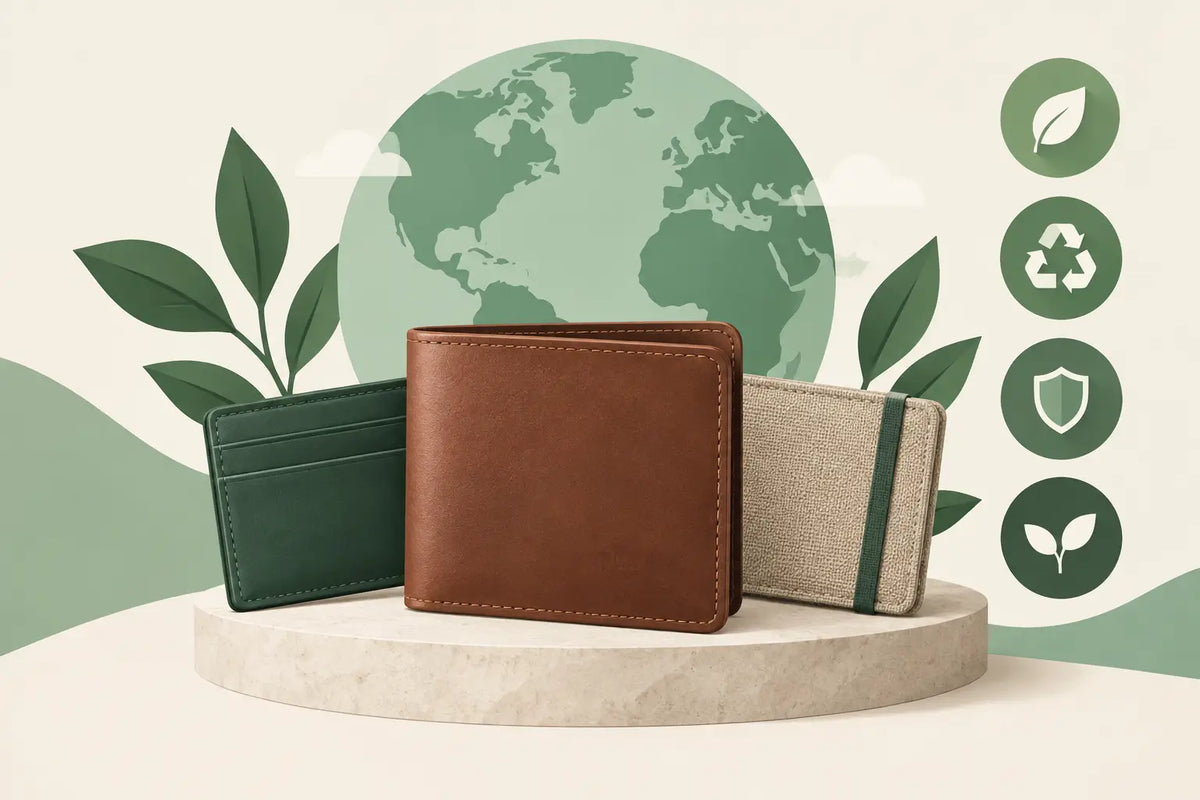
A wallet is one of the few things we touch almost every day, yet it is often replaced without much thought. The zipper sticks, the corners peel, or a new trend arrives, and the old one disappears into a drawer. The best sustainable wallet reviews ask a more useful question: will this piece still earn its place in your life a year, three years, or even longer from now?
Sustainability is not a label printed on a hangtag. It is a relationship between material, design, craftsmanship, use, and the people involved in making the item. A wallet can be made from an innovative material but fail quickly at its folds. It can be durable but oversized for how you actually carry your cards. It can look minimal while hiding a supply chain that leaves makers unseen.
A genuinely thoughtful purchase starts by looking past the word "eco" and toward the details that make a wallet worth keeping.
Sustainable Wallet Reviews Should Look Past the Material
Material matters, but it is only one part of the story. Plant-based alternatives, recycled synthetics, and responsibly sourced leather can each have a place in a more considered wardrobe. None is automatically perfect, and that honesty is where better choices begin.
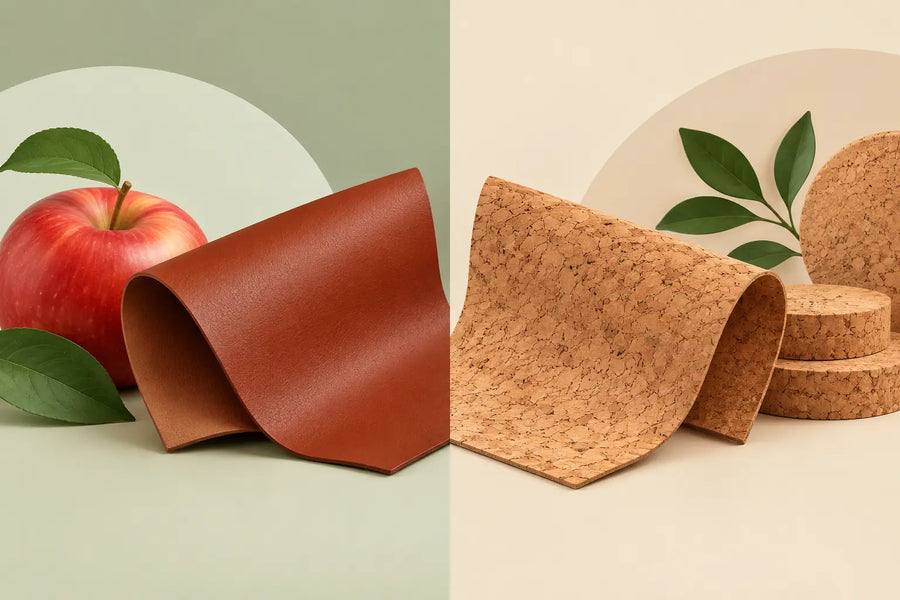
Apple leather, for example, is often made using byproducts from the apple industry combined with other components to create a usable leather-like material. It can offer a lower-impact direction than conventional options and gives fruit waste another purpose. At the same time, shoppers should understand that plant-based leather alternatives vary widely in composition, coating, durability, and end-of-life options. The name alone does not tell the whole story.
Genuine leather requires an equally clear-eyed view. A well-made leather wallet can last for years, develop a personal patina, and often be maintained rather than discarded at the first sign of wear. Yet leather comes with animal-welfare, tanning, and resource-use considerations. Its sustainability depends greatly on sourcing, production practices, and, crucially, whether the product is used long enough to justify the resources it requires.
The right choice depends on your priorities. If you prefer an animal-free material, look closely at how it is made and how it is reinforced at high-wear points. If you choose leather, seek a piece with construction strong enough to become a long-term companion rather than a short-lived accessory.
What Quality Looks Like in a Wallet You Will Keep
A sustainable wallet does not need to announce itself loudly. Often, its quality appears in quiet places: the evenness of the stitching, the cleanly finished edges, the way a card slot holds its shape, and the confidence of a snap or zipper.
Start with the areas that work hardest. Wallet folds are repeatedly bent and compressed, so they need materials that can flex without cracking and stitching that supports the shape rather than merely decorating it. Card slots should be snug at first but not so tight that removing a card becomes frustrating. A wallet that stretches out within weeks may create more waste than a slightly heavier, more carefully built one.
Lining is another revealing detail. Thin linings can tear before the exterior shows any wear, especially around coin pockets or bill compartments. If a wallet includes a zipper, test whether it moves smoothly and whether the zipper tape is securely sewn in. These practical details may not be glamorous, but they determine whether a piece can stay useful.
Design also affects longevity. A slim card wallet is excellent for someone who pays digitally and carries three to six cards. It is less suitable for a person who regularly carries cash, receipts, transit cards, business cards, and coins. Buying a wallet that matches your real routine is a small but meaningful way to avoid a fast replacement.
The Human Story Is Part of the Product
A lower-impact material is valuable, but sustainability also asks who is given the chance to make, learn, and earn. When craft is treated as disposable labor, even an attractive product can feel incomplete.
Handmade leather goods carry evidence of attention. The maker must understand how a material stretches, where a stitch line needs reinforcement, and how a small alignment choice affects the final shape. These are skills developed through practice, patience, and the opportunity to be trusted with meaningful work.
This is why social impact deserves a place in sustainable wallet reviews. Brands that work with sheltered workshops or create supported employment pathways can connect each purchase to real skill-building and recognition. The goal is not pity. It is to see ability clearly, to value professional contribution, and to let beautiful work speak for itself.
Broken Fingers+ approaches this connection through handcrafted accessories made in collaboration with sheltered workshops, where people with autism, Down syndrome, physical disabilities, and mental health recovery experience can participate in leathercraft training and production. The wallet becomes more than an object you carry. It becomes a practical expression of the belief that capability deserves room to grow.
A Useful Way to Compare Sustainable Wallets
When comparing options, resist the pressure to find one flawless answer. Instead, weigh the trade-offs that matter most for your daily life. A wallet earns a stronger sustainability case when it combines an appropriate material with thoughtful construction, timeless function, and a transparent approach to people and production.
Ask whether you can imagine using it through changing seasons and shifting habits. Will its color and silhouette still feel like you? Can its surface tolerate the way you commute, travel, or toss it into a work bag? Is it easy to clean and maintain? Does the brand explain its material honestly, without making sweeping environmental promises?
For gifts, this matters even more. A meaningful wallet should not force the recipient to choose between beauty and practicality. Consider how they carry things: a compact card case for the minimalist, a zip wallet for someone who needs security, or a coin purse for the person who still appreciates cash and small daily rituals. The most considerate gift is one that feels chosen, not merely branded.
Care Is a Form of Sustainability
Keeping a wallet longer is often less complicated than people expect. Avoid overstuffing card slots, since constant pressure can distort their shape and strain the seams. Keep it away from prolonged heat and direct sunlight, which can dry leather or weaken coated surfaces. If it gets wet, gently blot it and let it air-dry naturally rather than placing it near a heater.
For genuine leather, occasional conditioning with a suitable product can help preserve suppleness, though too much product may darken the surface or leave residue. For apple leather and other leather alternatives, follow the maker's care guidance and use a soft, lightly damp cloth for routine cleaning. Strong solvents and harsh scrubbing can damage protective finishes.
Small signs of use are not always signs of failure. A softened fold, a gentle change in tone, or a faint mark from an ordinary day can become part of a wallet's character. Repair is worth considering when a snap, zipper, or stitch line begins to fail. Caring for an item is not about keeping it frozen in newness. It is about allowing it to remain useful and loved.
The most sustainable wallet may be the one that fits quietly into your hand, supports work with dignity, and stays with you long enough to collect a few honest marks of a life well lived.