Broken Fingers+ · Journal
蘋果皮革清潔方式 for Everyday Apple Leather Care
A bag or wallet earns its character through use: the card you reach for at the coffee counter, the hand cream that leaves a faint mark, the rainy commute that catches you by surprise. Knowing the right 蘋果皮革清潔方式 helps those small traces of life stay manageable, so the piece can remain part of your routine for years rather than being put away at the first sign of wear.
Apple leather is often chosen for its refined surface, practical durability, and lower-impact material story. It deserves thoughtful care, not because it is fragile, but because care protects the finish that gives it its clean, expressive look. A gentle habit takes only a few minutes and helps preserve the work and skill held in every hand-finished piece.
What Apple Leather Is, and Why Care Is Different
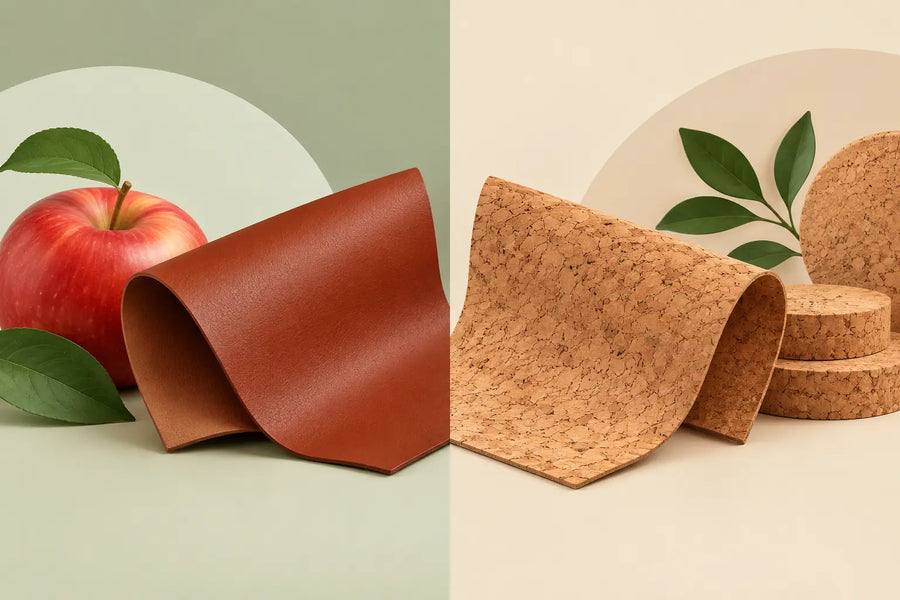
Apple leather is not the same as animal leather. It is generally made with apple waste from the food industry, blended with other materials to create a flexible, leather-like surface. Depending on the maker and product, it may include a protective coating and a fabric backing. Those layers influence how it should be cleaned.
Traditional leather conditioners, oils, waxes, and heavy balms are made to sink into animal hide. On apple leather, they may sit on top of the surface, leave a cloudy film, alter the color, or weaken the finish over time. The goal is therefore simple: remove dirt without saturating the material or adding unnecessary products.
This is also why an apple leather piece may not develop the same patina as full-grain leather. It can still collect signs of companionship, but its best care is usually clean, light, and consistent rather than intensive.
蘋果皮革清潔方式: Start With the Gentlest Method
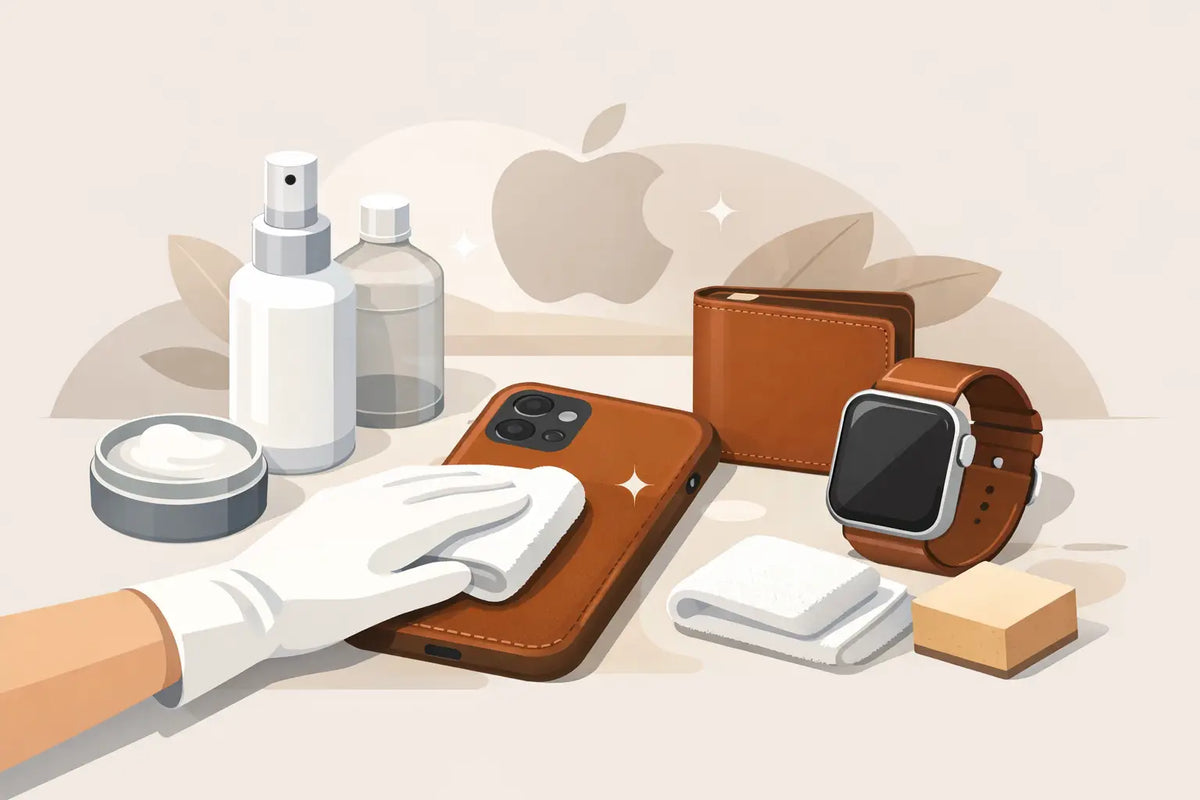
For everyday dust, fingerprints, and light surface marks, begin with a dry, soft microfiber cloth. Wipe the item with light, even strokes, paying attention to corners, folds, and the areas around zippers, snaps, or card slots. Do not scrub. Friction can dull a coated finish even when no moisture is involved.
If the mark remains, lightly dampen a clean cloth with water. The cloth should feel barely moist, never wet enough to release drops when pressed. Wipe a small area at a time, then immediately go over it with a dry part of the cloth. Let the item air-dry naturally away from direct sun, radiators, or a hair dryer.
For a little more cleaning power, use a small amount of mild, pH-neutral soap diluted in water. Apply the diluted solution to the cloth, not directly to the bag or wallet. First test it on a hidden spot, such as the underside of a flap or an interior edge. If the surface looks unchanged after it dries, gently clean the affected area and wipe again with a separate cloth dampened only with water.
Patience matters here. Repeating one gentle pass is safer than trying to erase a stain in thirty seconds.
A Small Care Kit Is Enough
You do not need a shelf full of specialty products. Keep a soft microfiber cloth, a second dry cloth, clean water, and mild pH-neutral soap on hand. That is enough for most day-to-day care.
Avoid alcohol wipes, disinfectant sprays, bleach, acetone, hand sanitizer, perfume, oily cleaners, and abrasive sponges. These can strip or discolor the surface coating. Even products labeled for leather should be avoided unless they specifically state that they are suitable for your exact type of vegan or apple-based leather.
How to Handle Common Marks
A fresh water spot is usually the easiest problem to solve. Blot it right away with a dry cloth, then allow the area to dry at room temperature. Do not rub the spot aggressively or place the piece under heat in an effort to speed things up.
For makeup, food residue, or a faint ink transfer, act sooner rather than later. Use the barely damp cloth method first. If a mild soap solution does not lift the mark, stop before the surface becomes overly damp or worn. A permanent faint mark is frustrating, but damage from harsh cleaning is harder to reverse.
Dark denim transfer deserves special care. It can happen when a light-colored bag rubs against new jeans, especially in humidity or rain. Gently wipe the transfer as soon as you notice it. If it persists, do not use a stain remover or alcohol in desperation. The dye may have bonded to the surface, and stronger products can create a larger, more visible patch.
Grease from food or hand lotion can be blotted with a dry cloth. Avoid adding water immediately, which can spread the residue. Once the excess is lifted, use a lightly damp cloth only if needed. Keeping lotion and sanitizer away from the item until your hands are fully dry is one of the easiest preventive habits.
Protect the Piece Through Everyday Use
Cleaning is only one part of care. The way a piece is carried and stored has just as much influence on its condition. Do not overfill a wallet or bag beyond its intended shape. Pressure can stretch seams, strain closures, and create creases that no cleaning method can remove.
When you are not using a structured bag, gently fill it with clean, unprinted tissue paper or a soft cloth to help it keep its form. Store it in a dust bag or a breathable fabric cover, in a cool and dry place. Avoid sealed plastic bags, damp closets, window ledges, and long periods under heavy objects.
Apple leather can also be affected by prolonged heat and direct sunlight. A sunny car dashboard, for example, is not a good temporary storage space. High heat may dry or distort the surface, while strong sunlight can affect color over time.
If rain catches you outdoors, blot the moisture when you get home and leave the item open to air-dry naturally. Never place it on a heater. Care is rarely about dramatic rescue; it is often about giving material the time and conditions it needs to settle.
When to Ask for Professional Help
Some situations are better handled with restraint. Deep stains, large dye transfers, peeling, cracking, damaged hardware, or a seam that is coming loose may require an assessment from the maker or a repair specialist familiar with coated vegan materials. A repair person experienced only with animal leather may reach for conditioners or solvents that are unsuitable for apple leather.
Before trying a new cleaning product or home remedy, take a clear photo of the issue and check the care guidance that came with your item. Material compositions can vary, even among products described as apple leather. The most reliable advice is always the advice that matches the specific finish in your hands.
At Broken Fingers+, we believe the things we carry can hold more than belongings. They can hold evidence of steady hands, learned skills, and the quiet confidence that grows when a person is trusted to create. Caring for your apple leather piece is a small way to honor that human effort.
Let it accompany your ordinary days. Wipe it gently after a spill, give it room to breathe, and allow it to be useful. A well-cared-for piece does not need to look untouched to remain beautiful.