Broken Fingers+ · Journal
Social Enterprise Gifts vs Regular Gifts

A wallet can carry cash, cards, and a quiet reminder that someone believes in your ability. A card holder can be a useful daily object, but it can also represent hours of learned craft, careful hands, and meaningful work. That is the real difference behind social enterprise gifts vs regular gifts: the choice is not only about what sits inside the box. It is about what the purchase helps make possible.
Regular gifts still have their place. A last-minute birthday, a very specific wish list, or a simple token of appreciation may call for a straightforward purchase. But when you are choosing a gift for a person who values design, usefulness, and the story behind an object, the origin of that object becomes part of the gift itself.
What Makes a Gift From a Social Enterprise Different?
A social enterprise earns income by selling goods or services while pursuing a defined social mission. The mission is not an add-on placed beside the product for marketing purposes. It is connected to how the business operates, who it works with, and where the revenue goes.
For gift buyers, this matters because the purchase can create a wider circle of value. Depending on the enterprise, revenue may support fair employment, skills training, accessible workplaces, community programs, or environmental initiatives. The recipient receives something tangible, while the purchase also recognizes people and work that are too often overlooked.
That does not mean every social enterprise gift must look handmade, rustic, or charitable. The strongest ones stand on their own as well-designed products. A leather passport holder should protect a passport. A bag should be comfortable to carry. A coin pouch should open easily and wear well. Social impact gives the item deeper meaning, but it should never be used to excuse poor function or unfinished quality.
Social Enterprise Gifts vs Regular Gifts: The Real Comparison
The clearest difference is not that one gift is good and the other is bad. It is that they answer different questions.
A regular gift is often chosen for convenience, trend, price, or immediate appeal. There is nothing inherently shallow about that. A favorite fragrance, a useful kitchen tool, or a book chosen with care can be deeply personal. Yet the story behind a conventional product may be hard to trace. Who made it, under what conditions, and how the purchase affects their life are often unknown.
A social enterprise gift invites more intention. It asks buyers to consider not only, “Will they like this?” but also, “What kind of work does this support?” When the answer is connected to real training and employment opportunities, the gift becomes a small but concrete way to affirm dignity, capability, and participation.
The trade-off is worth stating honestly. Social enterprise products may cost more than mass-produced alternatives because fairer production, smaller batches, training time, and careful workmanship carry real costs. Choices may also be more focused rather than limitless. You may not find every color, every trend, or next-day delivery on demand.
In return, you may find a product with more character, better material choices, and a story that does not disappear once the wrapping is removed. For many people, that is not an extra. It is part of what makes the gift feel right.
Quality Is Still the First Test
A meaningful mission can draw someone to a product, but quality determines whether they will use it for years. Before choosing any gift, look closely at the details: material, construction, dimensions, closure, stitching, and how the item fits into the recipient’s everyday routine.
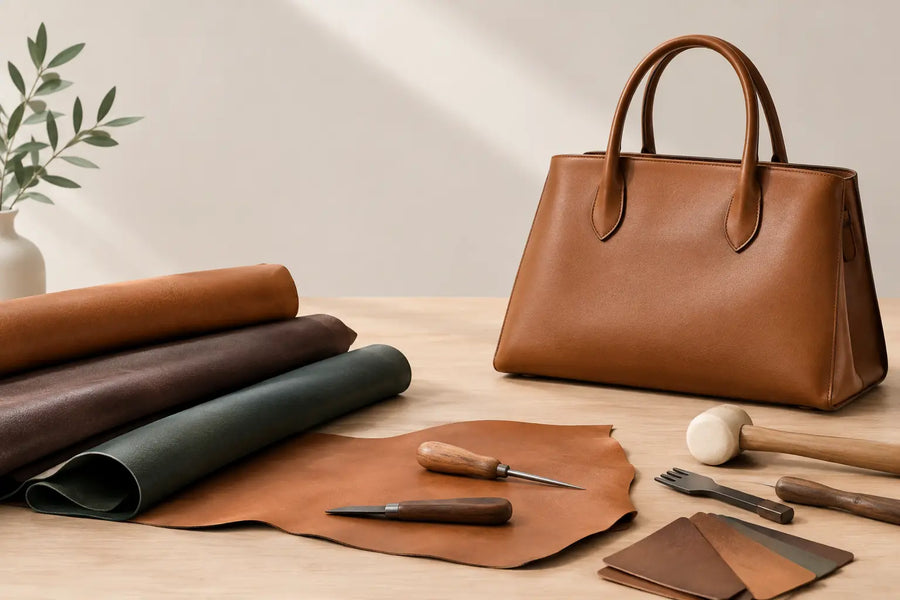
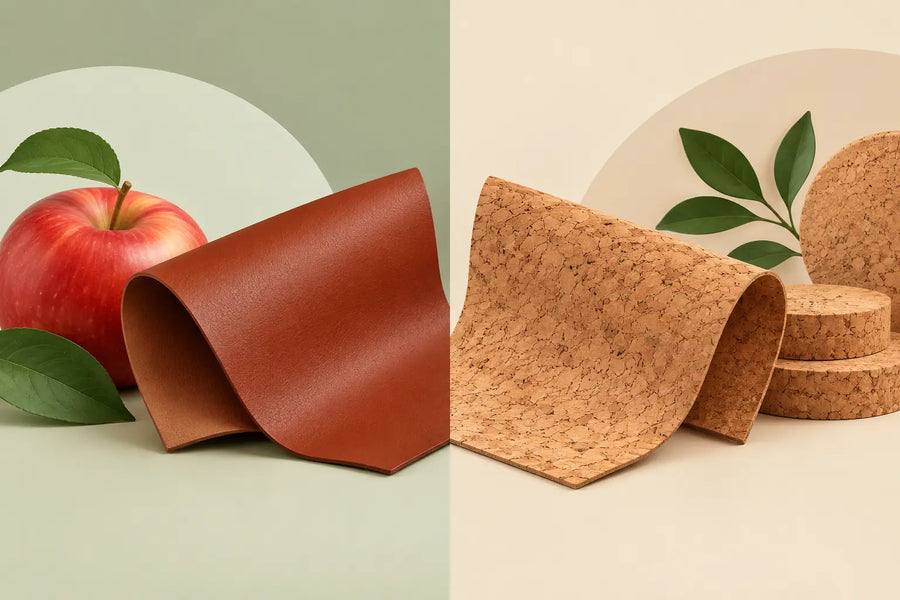
For leather accessories, material is especially important. Genuine leather develops a distinct patina over time and can become more personal with use. Apple leather offers an alternative for recipients seeking a lower-animal-material option, while still bringing a refined finish to everyday pieces. Neither is universally better. The right choice depends on the recipient’s values, habits, and expectations for care.
A thoughtfully made piece should feel considered in the hand. Edges should be finished cleanly, hardware should function smoothly, and the design should make daily life easier. When craftsmanship and social purpose are both present, there is no need to choose between beauty and meaning.
Meaning Should Be Specific, Not Sentimental
The most respectful social impact stories do not portray people as objects of pity. They show ability, learning, contribution, and professional pride. That distinction matters.
A gift gains meaning when you can speak about it plainly: this item was made through a process that supports skill-building and employment for people with different abilities or lived experiences. The story is not that the maker needs saving. The story is that their work deserves to be seen, valued, and fairly recognized.
This is why a well-made handmade gift can be especially powerful for occasions that mark change or encouragement. A graduation, new job, move abroad, recovery milestone, or farewell can all call for something more lasting than a novelty item. A wallet or passport holder says, in a quiet way, “May you go forward with what you need.”
When a Regular Gift May Be the Better Choice
Choosing with intention also means knowing when not to overcomplicate the moment. If a friend has asked for a particular item, honor that request. If you need a practical group gift on a tight budget, a regular option may be more suitable. If the recipient prefers minimal possessions, an experience, meal, or handwritten note might mean more than another object.
Social enterprise gifts are not meant to create guilt around ordinary purchases. They are an invitation to direct some of your spending toward businesses whose values you want to strengthen. One careful choice for a meaningful occasion can matter more than trying to make every purchase perfect.
How to Choose a Gift That Feels Personal
Start with the recipient’s real life, not the message you hope the gift will send. Do they commute with only a few essentials? A slim card holder may suit them better than a large wallet. Do they travel often or dream of taking a long-awaited trip? A passport holder is both useful and symbolic. Do they carry a daily bag that has seen better days? A practical leather tote or crossbody may become part of their routine.
Then consider the kind of meaning that will feel natural to them. Some recipients care most about sustainable materials. Others are moved by handcraft, local production, or inclusive employment. A good gift does not require a long explanation. Its purpose should be easy to share, and its quality should speak even when the story is not told.
Broken Fingers+ approaches this idea through leather goods made in collaboration with sheltered workshops, where people with autism, Down syndrome, physical disabilities, and mental health recovery experiences can learn craft skills and participate in real production. The finished pieces are not symbols of limitation. They are evidence of practice, patience, and work made visible.
Give Something That Can Stay
The best gifts do not demand attention every day. They earn a place in someone’s life through use. A card case pulled from a pocket, a wallet carried to work, or a passport cover held at an airport can become familiar in the best way.
When you choose a social enterprise gift, you are not buying a story instead of a product. You are choosing a product whose story has room for more people to be seen, trusted, and valued. Let the gift be beautiful, useful, and honest enough to travel with them for a long time.