Broken Fingers+ · Journal
如何支持社會企業消費 Through Thoughtful Everyday Buying

A wallet is handled dozens of times a day. A tote travels to work, dinner, and weekend errands. These small objects can be more than accessories when we consider 如何支持社會企業消費: not as a grand gesture, but as a practical way to direct everyday spending toward work, dignity, and opportunity.
Social enterprise shopping is not about buying something simply because it carries a good story. The most meaningful support happens when a product earns a place in your life because it is useful, beautifully made, and aligned with the kind of world you want your money to help build. A well-chosen purchase can support real employment while also giving you something you will genuinely enjoy using.
What Social Enterprise Consumption Really Supports
A social enterprise uses business as a way to address a social or environmental need. Depending on the organization, that may mean creating employment for people with disabilities, supporting fair livelihoods, reducing waste, preserving crafts, or providing services to communities that are often overlooked.
The distinction matters. Charity can offer essential immediate help, while a social enterprise aims to create a continuing cycle: work leads to income, skills, confidence, and greater participation in everyday economic life. When customers choose these businesses, they help make that cycle more stable.
For makers who have faced barriers to conventional employment, being paid for skilled work is not a symbolic act. It is a recognition of capability. Learning a craft, completing an order, and seeing a finished piece chosen by a customer can create something deeper than a transaction: the experience of being trusted and valued.
That is why the best social enterprise products do not ask you to lower your standards. They invite you to expect more from what you buy.
如何支持社會企業消費 Without Buying Things You Do Not Need
The pressure to consume more is not the answer to conscious consumption. Buying an unnecessary item, even from a mission-led business, can still lead to clutter and waste. A more thoughtful approach starts with the things you already need to replace, give, or use regularly.
Consider your next everyday essential: a card holder that has seen better days, a work bag that no longer fits your routine, a passport holder for an upcoming trip, or a birthday gift for someone who values design. These are natural moments to seek out social enterprises.
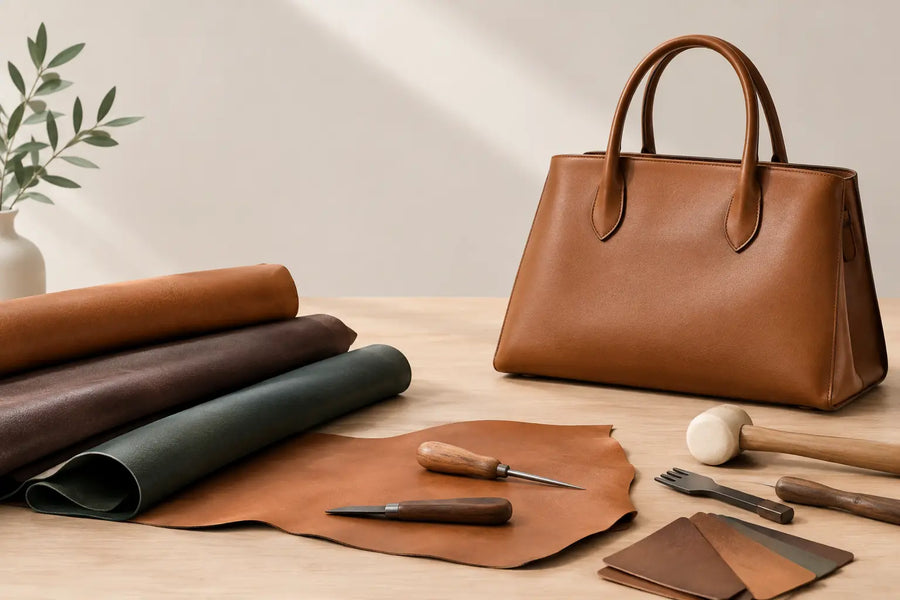
Choose fewer items with a longer useful life. Leather accessories, for example, are often personal and practical. A carefully stitched wallet or bag can become part of someone’s daily rhythm for years. When durability, repairability, and timeless design are part of the decision, the impact of one purchase can extend far beyond checkout day.
It also helps to separate meaningful buying from guilt buying. You do not need to purchase everything from a social enterprise, and no one can make a perfect choice every time. Start with categories where you have room to choose, then make that choice with care.
Look for Evidence, Not Just a Good Cause
Words such as “ethical,” “inclusive,” and “purpose-driven” can be meaningful, but they should be supported by clear practice. A trustworthy social enterprise can explain what it does, who benefits, and how its business model creates impact.
Before purchasing, look for four practical signs:
- A clear description of the social or environmental issue the business addresses.
- Specific information about who is employed, trained, or supported.
- An explanation of how sales contribute to wages, programs, or long-term operations.
- Product details that show care for quality, materials, and production.
Be cautious when a cause receives more attention than the actual item. If there is little information about materials, construction, sizing, care, or service, the brand may be relying too heavily on emotion. Social impact and product quality should reinforce each other, not compete.
Pay for Craft With a Clearer Perspective
Social enterprise products can sometimes cost more than mass-market alternatives. That difference may reflect smaller production runs, fairer wages, hands-on training, higher-quality materials, or the additional time required for careful craftsmanship. It does not mean every higher price is automatically justified, but it does mean price deserves context.
Instead of comparing a handmade leather card holder only with the lowest-priced version online, compare its expected lifespan, finish, materials, and the labor behind it. Ask whether you will use it often enough to make the cost worthwhile. For a daily accessory, a piece that lasts and feels right in your hand may offer better value than several quick replacements.
There are trade-offs. A social enterprise may have fewer colors, limited inventory, or longer fulfillment times than a large retailer. Its packaging may be simpler. Seasonal discounts may be less aggressive because margins must support real work. These limits can be frustrating if you need something tomorrow, but they are also part of choosing a business that operates at a human scale.
Thoughtful support means leaving room for those realities while still expecting honest service and a product made with care.
Choose Gifts That Carry Respect
A meaningful gift does not need a long explanation attached to it. The best ones feel personal first: a well-designed bag for a friend starting a new job, a slim wallet for a partner, or a durable passport case for someone planning their next journey.
The social impact adds a second layer. You can share the story if it feels appropriate, but avoid presenting the maker as an object of pity. A better way to frame the gift is simple: this was made by a brand that invests in skills and paid work, and I thought its design suited you.
That language keeps the focus where it belongs - on taste, craft, and respect. It acknowledges the mission without turning someone’s life experience into a selling point.
Brands such as Broken Fingers+ show how this can work in practice: leather goods can be designed as lasting daily companions while their production creates opportunities for people who are too often underestimated in the workplace. The value lies in both parts of the experience, not one at the expense of the other.
Support Can Continue After Checkout
A purchase matters, but it is not the only way to help a social enterprise grow. Small actions can reduce the uncertainty that mission-led businesses often face, especially when they are building demand for products made in smaller batches.
If you love an item, use it visibly and talk about it naturally. Leave a specific review about the function, craftsmanship, fit, or durability. Recommend the brand when a friend is looking for a gift or a work accessory. These actions are especially useful because they tell future customers that a product is desirable in its own right.
Care for what you buy, too. Follow material care instructions, store leather away from prolonged moisture and direct heat, and address stains or scratches early when possible. Extending the life of an accessory respects the labor invested in it and reduces the need for replacement.
For workplaces, social enterprise purchasing can also become part of corporate gifting, event favors, and employee recognition. The key is to order with enough lead time and to treat the supplier as a valued business partner, not merely a charitable option. Reliable planning helps organizations make production schedules more sustainable for everyone involved.
Let Your Standards Be Part of the Change
Supporting social enterprise consumption does not require perfection, expertise, or a complete overhaul of your spending. It asks for a pause before a purchase: Who made this? What does this business make possible? Will this item serve me well enough to deserve a place in my life?
When those questions lead you to a well-made item and meaningful work for someone else, consumption becomes more than a private choice. Carry the bag, use the wallet, give the gift, and let it become a quiet reminder that dignity grows when skill is seen, trusted, and fairly rewarded.